Key Points of Feeding and Management Techniques for Male Deer During the Antler-Growing Period
As a special breeding project with extremely high economic value, sika deer (Cervus nippon) now has a very large breeding area in our country. Every part of the deer is treasured, and among them, deer antler is especially popular. The production benefit of deer antler is mainly determined by the production performance of the male deer. Therefore, the feeding and management work during the male deer's antler-growing period is very important. So how should male deer be managed during the antler-growing period? Below, the editor will give you a brief introduction. Let's take a look together!
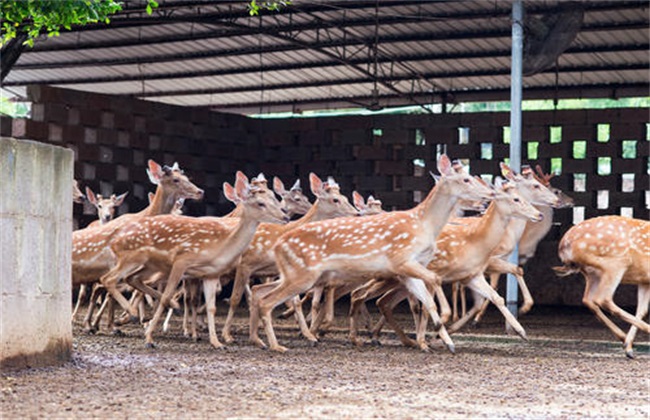
1. Feeding Methods
After male deer enter the antler-growing period, we should reasonably match the feed according to the growth cycle of the male deer. The ratio of concentrate feed to roughage must be strictly controlled, and generally the proportion of protein feed should be kept at about 35%. When feeding, the principle of fixed time and fixed amount should be followed, and there should not be excessive fluctuation, otherwise the impact on the growth of the male deer will be very great. When we raise deer artificially, the goal should be to keep the deer maintaining a strong appetite at all times. Prevent the phenomenon of piled grass and piled feed, or the occurrence of food refusal and anorexia.
2. Use of Concentrate Feed
When feeding during the male deer's antler-growing period, we should pay attention to reasonable matching according to breed and feeding quantity. Do not use a single type or bias toward a certain concentrate or roughage feed, which would cause an imbalance in the male deer's growth ratio and affect antler yield. Concentrate feed is mainly based on foods such as corn and soybean meal, combined with an appropriate amount of wheat bran, soybean, etc. It should be fed from the antler-growing period all the way to the antler-collecting period. The feeding amount should be controlled according to breed. For example, for an adult sika male deer, the feeding amount is about 2-2.5 kg, while for an adult red deer male deer (Cervus elaphus), it should be kept at about 3-4.5 kg.
3. Use of Roughage
Roughage is the feed we commonly use, and the feeding amount should be controlled according to breed and feeding time. When feeding in the morning, if it is sika deer, then control it at about 2.5 kg; if it is sika deer, then it can be reduced by about 1.5 kg. At noon, male deer have a relatively large food intake; red deer need 4.5 kg, and sika deer need about 2.5 kg. In the evening, about 1 kg should be added on the basis of the noon amount for all of them. When feeding roughage, pay attention to distinguishing the types and feeding methods. For example, there are various methods such as whole feeding, crushed feeding, and single feeding, all mainly aimed at improving the palatability and utilization rate of the feed.
4. Daily Management
After entering the antler-growing period, we should raise male deer in groups according to age, so as to reasonably grasp the daily ration standard. Then, according to the growth stage and habits of the antler, adjust the proportions of various feeds. Then, when the male deer shed their antlers, keep the barn quiet, clean the deer barn frequently, and create a suitable growth environment for the male deer. During antler growth, prevention should be strengthened, and the water and feed troughs inside and outside the deer barn should be properly disinfected. 10:00-16:00 is the best time for taming. During taming, frequently call them to avoid stampeding, which would cause antler damage and reduced production. Then observe mental state, feces, and rumination, etc. For some weak, sick, and disabled male deer, raise them separately and improve nutrition.
The above is a brief introduction to the feeding and management of male deer during the antler-growing period. That is all for today's introduction. This article is for reference only, and I hope it can help everyone!