Key Feeding and Management Techniques for Partridges During the Brooding Period
The partridge is a species of bird with very high food value, and it combines both food and ornamental value. The market for partridges is also constantly improving. Therefore, partridge farming is becoming more and more popular, and partridges are now distributed throughout various regions of China. However, raising partridges is not as easy as one might imagine. This is especially true during the brooding period. So today, the editor brings you the rearing techniques for brooding partridges. Let's take a look below!
1. Temperature and Humidity Control
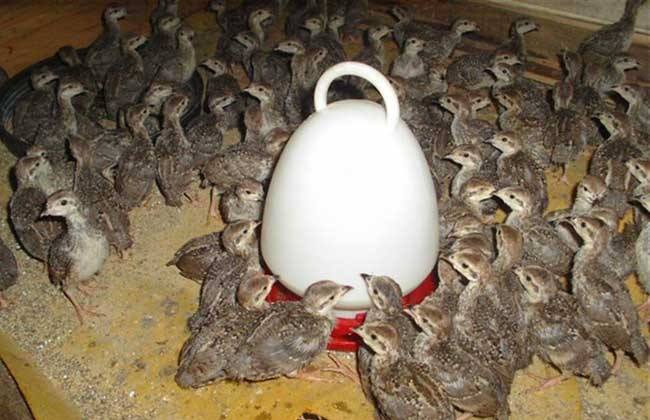
Temperature and humidity are what we need to pay special attention to when brooding partridges, and they are also the most critical tasks during brooding. Suitable temperature and humidity can effectively improve the survival rate of partridges. We should adjust them reasonably according to the age of the partridges. When the partridges are 7-15 days old, the temperature should be controlled at around 33 degrees. Within 20-35 days of age, keep it at around 28 degrees. After the eighth week, the temperature gradually stabilizes at around 24 degrees. Then humidity must be controlled well; it should not be too high, otherwise the young partridges are prone to infection by pathogens, and if it is too low, it can easily cause respiratory diseases. Usually at 7 days of age, the humidity is controlled at around 65%, and then after the first week it is kept at around 60%.
2. Rearing Density
Next, we need to control the rearing density of the young partridges. If the rearing density is too high, the young partridges will fight each other due to limited activity space, and the mortality rate will increase as a result. However, the rearing density should not be too low either, because if the density is too low, it will waste space and increase farming costs. Usually, from hatching to 10 days, the rearing density is controlled at around 80 birds per sq m. Then within 10-30 days, reduce it to around 50 birds. At 1-2 months of age, reduce it by another twenty birds, and finally stabilize it at around 15 birds.
3. Drinking Water and First Feeding
Within twenty-four hours after the partridges hatch, an appropriate amount of oxytetracycline should be added to warm water at around 40 degrees for the young partridges to drink. If they are not hatched but purchased from outside, then an appropriate amount of vitamin B should be added. The young partridges can begin feeding after drinking water. For the first feeding, a small amount of feed should be mixed with water and then kneaded into small pellets. Then scatter them appropriately so the young partridges can eat freely and promptly. During the first three days, it is best not to let the feed run out. After three days, feed them using feed troughs, following the principle of feeding more in small amounts, and ensuring that there is no leftover feed in the troughs at noon after each feeding.
4. Lighting and Ventilation
In an environment with suitable temperature, we should also do a good job of ventilation. Increasing the oxygen content in the coop and expelling carbon dioxide can enhance the metabolic capacity of the partridges. Then we need to control the lighting well. From the first day after hatching until the seventh day, full-day lighting should be the main approach. After the first week, the lighting time can be reduced to 16 hours. Finally, we should do a good job of disinfection and hygiene inside the coop. The water and feed troughs should be cleaned regularly, and the droppings should be cleaned at fixed times twice a day, creating a good growing environment for the young partridges.
The above is a brief introduction to partridge brooding and rearing techniques. That is all for today's introduction. This article is for reference only, and we hope it can help everyone!