How should partridges be raised to produce more fertilized eggs?
The nutritional value of partridge meat is very high, containing rich protein, fat and various amino acids, etc. The farming area in our country is very large, and many people find when raising partridges that although the egg-laying rate of partridges is relatively high, there are relatively few fertilized eggs, which is not very favorable for the overall development of partridges. So how can partridges be made to produce more fertilized eggs? Below, the editor will give everyone a brief introduction. Let's take a look together!
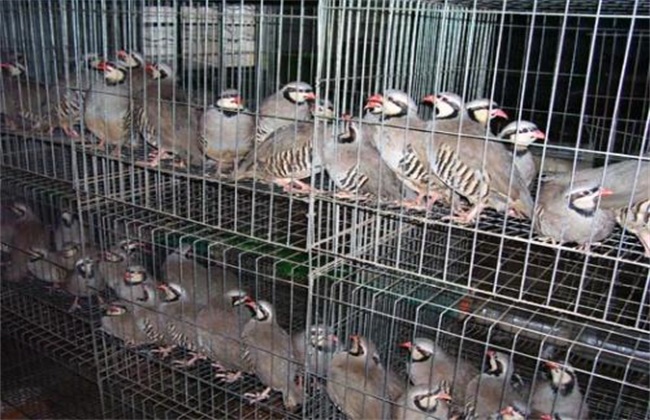
1. Light
Under normal rearing conditions, partridges generally enter the stage of sexual maturity at around half a year. After sexual maturity, partridges will begin the work of mating and laying eggs. Light has a very large impact on partridge egg laying. During the egg-laying period, about 18 hours of light must be maintained every day. If natural light is insufficient, then artificial supplemental lighting must be done well. A stable light duration and intensity must be maintained, and it must not be changed suddenly, otherwise it will affect the formation of fertilized eggs.
2. Density
When raising partridges, stocking density is very important. Although partridges are relatively small, if the stocking density is too high, it will have a very large impact on the partridges. Density must also be controlled well according to the different uses of the partridges. For example, if they are commercial partridges, the stocking density should be controlled at about 25 birds per sq m; if they are breeding partridges, then about 10 birds, and at most no more than 15 birds. If the stocking density is too high, it will affect mating among the partridges and cause the fertilization rate of breeding eggs to decline.
3. Drinking water
During the growth process of partridges, we must reasonably adjust the partridges' drinking water according to seasonal changes. For example, in summer when the temperature is relatively high, because the temperature is too high, the water in the partridges' bodies evaporates faster, and the partridges' demand for water will also increase. Therefore, it is necessary to ensure sufficient clean drinking water, and replace it once every day. In addition, the water troughs must be disinfected and cleaned with solutions such as potassium permanganate to ensure that the breeding partridges can grow normally and improve the mating and egg-laying rate among the partridges.
4. Feed
After partridges enter the breeding period, their own nutritional consumption is very large. Therefore, we must also pay attention to providing the partridges with sufficient and comprehensive nutrition, among which the proportion of crude protein in the feed should be maintained at about 18%. And an appropriate amount of trace elements, vitamins and other nutrients should be added appropriately. Feed regularly about three times a day, with each feeding amount maintained at about 35g. If the feed nutrition is insufficient, the partridges will grow and develop poorly, and the proportion of the natural fertilization rate will also decline.
The above is a brief introduction to how to make partridges produce more fertilized eggs. In addition, the male-to-female ratio in partridge raising, the raising method and so on are all things we need to pay more attention to when breeding. That is all for today's introduction. This article is for reference only, and I hope it can help everyone!