Detailed Explanation of Key Points of Artificial Squab Feeding Technology
Pigeons are now very popular in our country, and their farming area is second only to common poultry such as chickens, ducks and geese. Because pigeon meat and pigeon eggs are both highly nutritious and taste very good, their market demand is relatively large. When we raise pigeons, we should do a good job in artificially feeding squabs, so how exactly should we do it? Below, the editor brings you the artificial squab feeding technology, let's take a look!
1. Squab quality
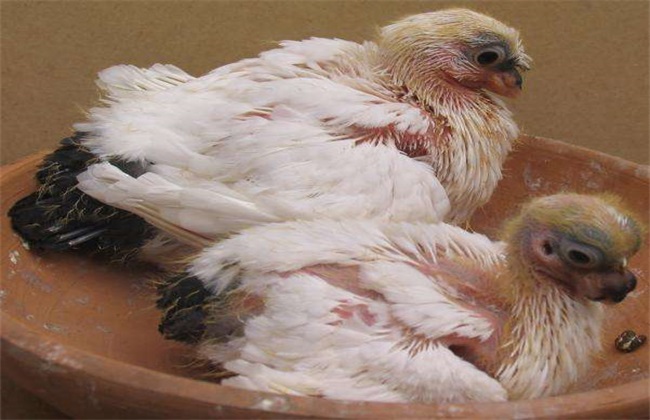
When artificially feeding newly hatched squabs, whether they were hatched with artificial assistance or hatched by the pigeons themselves, we must ensure the quality of the squabs and ensure that each squab can develop normally and is in good health. Under the same feeding conditions, the stronger the squab, the faster it grows and the stronger its growth ability. Therefore, attention should be paid to improving the quality of squabs; only sufficiently strong squabs can be artificially fed.
2. Temperature control
After the squabs enter the brooding room, the temperature of the brooding room must first be well controlled artificially. A relatively stable temperature should be maintained, and temperature changes must not be too rapid or too large. Usually, during the first 4 days of age, the temperature should be controlled at around 37 degrees, and then from the fifth day to the seventh day the temperature is reduced to around 35 degrees. From the eighth day to half a month, the squabs should be transferred to flat brooding cages, with the temperature controlled at around 32 degrees, and finally the temperature should gradually be stabilized at normal temperature.
3. Squab feed
When artificially feeding squabs, the preparation of feed is crucial. It is necessary to ensure comprehensive nutrition in the feed, reduce costs as much as possible, and also ensure the quality of the feed. Therefore, feed preparation cannot be ignored. Before formally feeding the feed, we should first conduct a trial feeding. If there are no abnormal phenomena after the trial feeding and the squabs eat normally, then full feeding can begin. Feed preparation is a key measure in artificial squab feeding and directly affects the survival rate of squabs, so everyone must pay close attention to it.
4. Feeding work
When artificially feeding squabs, be careful not to change the keeper. If the keeper is changed, then time is needed to understand the growth habits of the squabs. Moreover, everyone's feeding methods, operations and procedures are different, and the squabs cannot adapt in time, which has a relatively large impact on their growth. Therefore, everyone must pay close attention, and feeding must also follow the principle of fixed times and fixed amounts.
5. Disease prevention and control
When feeding, be sure to ensure the hygiene level of the feed. If the feed quality is poor, it is easy for it to carry pathogens, which then invade through the squabs' oral cavity, such as pigeon mycoplasmosis, pigeon trichomoniasis, etc., seriously affecting the growth of the squabs. Therefore, when feeding, be sure to do a good job in the hygiene and disinfection of the pigeon house, ensure that every link in the artificial feeding of squabs proceeds normally, and reduce contamination as much as possible.
The above is a brief introduction to artificial squab feeding technology. That is all for today's introduction. This article is for reference only, and we hope it can help everyone!