Detailed Explanation of Wild Duck Rearing Methods and Technical Points
Wild ducks are a relatively popular type of poultry in our country and have a large market demand in China. Wild duck meat is very tender, and the flavor is also very good; it is a food with considerable nourishing effects. Wild ducks also grow relatively faster than domestic ducks, and the farming area in our country is now also relatively large. So how should wild ducks be raised when farming them? Below, the editor brings you the wild duck rearing methods. Let's take a look!
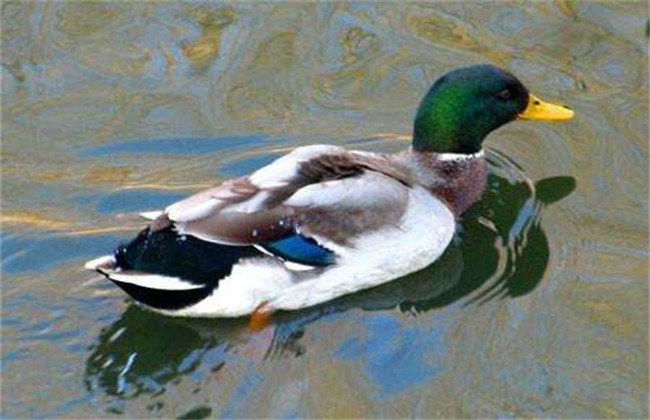
1. Create a suitable environment
When raising wild ducks, a suitable growing environment should be created for them according to their living habits. There should be a rest room and an open-air activity area, and the activity area should be a pool, pond, etc. Some aquatic plants should be appropriately cultivated in the pond to improve the simulated wild environment. If a combination of free-range and housed rearing is used, then the rearing site should be close to a water source, with lush vegetation around it. Also, netting should be properly enclosed, and an overhead net should be built at a position about two meters from the water surface, forming a closed environment with the surrounding enclosure net to prevent wild ducks from flying away and escaping. The rearing density should be controlled at about 0.6 ducks per sq m.
2. Feed management
When wild ducklings start feeding, we should add an appropriate amount of fish meal to the feed, and then after about three days, some compound feed can be appropriately given. Also add an appropriate amount of green feed and some fresh live animal feed such as small fish and shrimp. After about one month, the protein content in the feed should be appropriately reduced, keeping it at about 1/10. Then increase the proportion of roughage, and also feed some green feed such as vegetable leaves every day. Extend the development time of the wild duck's growing skeleton. After about two months, slowly reduce the proportion of roughage, increase protein feed, and also continue feeding green feed.
3. Duckling management
The management of ducklings is very important. Within three days after the ducklings hatch, the temperature should be controlled at about 28 degrees, and then from 4-6 days it should be lowered to about 25 degrees. As time goes on, gradually lower the temperature, and finally after 11 days of age, stabilize the temperature at about 18 degrees. Also, we should spread sufficient straw on the floor of the duck house and feed them in separate pens. Ducklings have the growth habit of sleeping in piles, so someone must keep watch day and night to prevent ducklings from being crushed or suffocated. When starting to feed, first let the ducklings drink sufficient water, and the number of times they drink water each day should be kept at least 5 times.
4. Adult duck management
At 1-2 months of age, the rearing density of wild ducks can be kept at about 10 ducks per sq m. At 50 days, they should be manually trained to fly, but attention should be paid to doing a good job of preventing escape. By two months, prevent wild ducks from causing disturbances in the shed. Because of changes in body weight, the wild nature of wild ducks will also gradually be stimulated, and their desire to fly will be relatively strong. At this time, the flock will begin to become restless, feed intake will drop noticeably, and body weight will decrease because of this. Therefore, attention should be paid to restricting the feeding of wild ducks, increasing the proportion of roughage, and avoiding bright light and strong light. Then attention should be paid to preventing outsiders from entering the duck house and causing the wild ducks to be startled. Generally, after about two weeks, the wild ducks will gradually return to normal.
The above is a brief introduction to wild duck rearing methods. That is all for today's introduction. This article is for reference only, and I hope it can help everyone!