What are the key points of feeding and management for laying hens before they start laying?
Laying hens are a very common breed of farmed chicken in our daily lives, and the scale of farming in our country is also very large. When raising laying hens, they generally enter the pre-laying period in their fourth month, and around 5 weeks later they enter the peak laying period. At this time, feeding and management of laying hens is very important, so what exactly should be done? Below, the editor brings you the key points of feeding and management for laying hens before laying. Let's take a look!
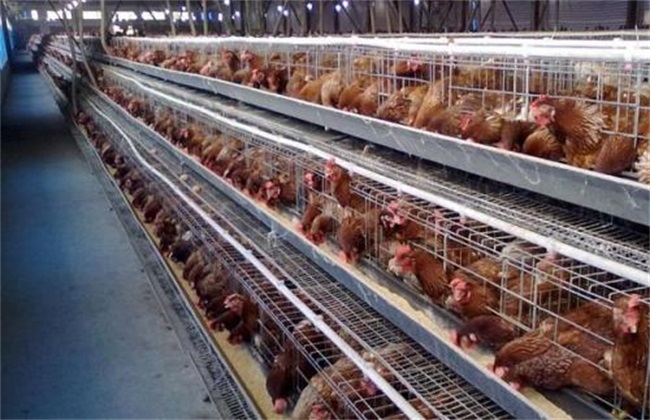
1. Transfer the flock at the right time
Laying hens should be placed in cages before 18 weeks of age, so that they have enough time to get familiar with the environment. If caging is done too late, it can easily cause some hens that have already started laying to stop laying, and may also trigger diseases such as yolk peritonitis in laying hens. Then, before caging, vaccination work should also be done well, such as Newcastle disease, egg drop syndrome, and avian influenza. After caging, deworming work should be done well, both internally and externally. And an appropriate amount of vitamins, antibiotics and other substances can be added to the feed to reduce the stress response of laying hens.
2. Switch to layer feed
During the growth process of laying hens, body weight will continue to increase, and the reproductive system is also gradually developing. At this growth stage, laying hens have a relatively large demand for calcium. Therefore, we should switch the laying hen feed at the right time, and generally can feed layer feed at 18 weeks of age. When they enter 5 months of age, it is the peak period of demand for layer feed. Because an appropriate amount of vitamins should be added to the feed, feeding should not be restricted, and the feed needs of laying hens for growth should be fully met. Let laying hens mainly feed freely, and ensure that there is always feed in the trough during the lighting period.
3. Increase lighting
When raising laying hens in rural areas, many farmers generally rely mainly on the natural lighting method. Also at 18 weeks of age, if the flock's body weight reaches the standard, then the lighting time should be increased by about half an hour about every half month. Until the peak laying period, maintain about 16 hours of lighting per day. If the flock's body weight does not reach the standard and the development speed is slow, then feeding should be appropriately increased, and the lighting time should be increased at 5 months of age. During the laying period, the lighting time must not be shortened, and the intensity must not be weakened.
4. Environmental conditions
The chicken house environment of laying hens during the laying period also has a great impact on their laying. First, we must control the temperature well. The suitable temperature range for laying hens is about 14-22 degrees. The temperature range must not be exceeded, especially in summer, when the highest temperature should also be kept below 30 degrees, otherwise it can easily cause heatstroke in laying hens. Then pay attention to maintaining indoor air circulation and a quiet surrounding environment, avoiding noise, and reducing the laying rate of laying hens. The stability of the basic breeding environment such as feeding, drinking water, and lighting should be maintained.
The above is a brief introduction to the key points of feeding and management for laying hens before laying. That's all for today's introduction. This article is for reference only, and I hope it can help everyone!