Detailed Explanation of the Key Points of River Snail Farming Management Techniques
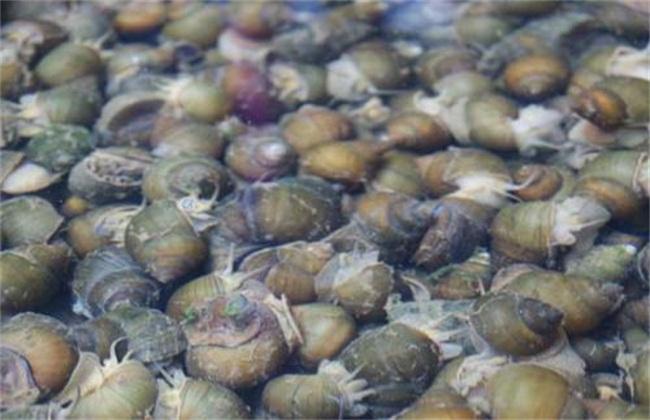
The river snail is a very common wild aquatic animal in China. Its meat is extremely delicious and is loved by many people. It has gradually also become a very popular snack in China, so the current farming area for river snails is very large. When farming river snails, management work is very important. So today, the editor brings you the farming management techniques for river snails. Let's take a look below!
1. Farming Water Body
The river snail has relatively strong growth adaptability. Generally, as long as it is not harmed by large amounts of pesticides and chemical fertilizers, it has very few diseases. It only needs to be stocked in flat areas, such as ponds, rice fields, and so on. Keep the bottom mud about 12 cm thick, and the area needs to be controlled well according to the farming quantity. Some aquatic plants can be planted in the water, and then some climbing vegetables can be planted around for shade. 10 days before stocking the river snails, an appropriate amount of quicklime should be put into the pond for disinfection, to eliminate excess wild fish, wild shrimp, and miscellaneous snails.
2. Feeding Management
When farming river snails, if it is extensive farming in natural waters, then attention should be paid to controlling the fertility of the water body well. During farming, an appropriate amount of organic fertilizer such as farmyard manure should be applied regularly to meet the nutritional needs of river snail growth. Then the farming density should be controlled well. If the farming density is relatively high, then feed should be put in manually. Although fertilizer and feed should be applied appropriately, river snails actually do not have very high nutritional requirements. Generally, common substances such as rice bran and wheat bran can serve as high-quality feed for river snails, and can also fully meet the growth needs of river snails.
3. Temperature and Feeding Management
Temperature is very important to the growth of river snails, and temperature directly affects the feeding of river snails. Generally, the suitable growth temperature for river snails is around 22-27 degrees. Within the suitable growth temperature, the feeding amount of river snails is very large. Therefore, feed about once every two days, control the feeding amount well, and keep each feeding amount at about 2% of the river snail's body weight. If the water temperature is around 18 degrees or 29 degrees, then feeding about twice a week is enough. If the temperature exceeds the range of 15-30 degrees, then the feeding amount should be further reduced, or no feeding should be done.
4. Daily Management
In daily management, be sure to strictly prohibit pollution from harmful substances such as pesticides and chemical fertilizers. Then do a good job in preventing and controlling natural enemies such as birds and ducks. Frequently clean up weeds in the water to avoid affecting the normal growth of river snails. If conditions permit, a water body with slight flowing water can be maintained, with the water level controlled at about 30 cm. In high-temperature seasons such as summer, increase the water flow rate to avoid the water temperature rising, and it can also increase the dissolved oxygen content in the water body. In winter, river snails enter a hibernation period. At this time, change the water about twice a week, and then scatter some chopped straw into the water body to improve heat preservation capacity and ensure that the river snails can safely overwinter.
The above is a brief introduction to river snail farming management techniques. That is all for today's introduction. This article is for reference only, and I hope it can help everyone!