What are the reasons why chicken farms are prone to disease outbreaks?
Raising chickens is a project many people enjoy, but chicken diseases have always been a thorny problem. People who have raised chickens for a long time always feel that other people's chicken farms are safer than their own, and that their own farm has an extremely high chance of disease outbreaks. So why is this? Let's take a look below at why some chicken farms are prone to disease while others rarely see such situations. In fact, it is mainly the following reasons that cause this.
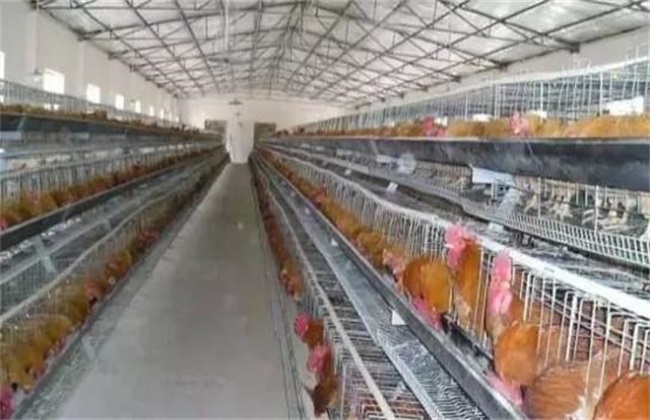
1. Inadequate disinfection
For chicken farmers, they know about disinfection, but they are not very clear about specific targeted disinfection, so some chicken farms often feel that they have disinfected the same way as others, so why is their own result so poor! In fact, disinfection on chicken farms is very particular. The disinfection method needed varies by season, and the diseases that need to be targeted also differ. For example, in spring and summer, early-stage disinfection mainly targets bacteria, while in the middle and later stages it also needs to target some parasites. Secondly, it is not only the chicken farm that needs disinfection; the chickens themselves also need a certain degree of immunization procedures and sterilization. Therefore, farmers need to be clear about whether their disinfection has been done properly!
2. Substandard handling of dead and diseased chickens
When raising chickens, disease pathogens must be dealt with strictly, especially during disease outbreaks. Handling some diseased chickens by simply burying them anywhere is not what can be called proper handling; this kind of uncontrolled danger is even greater. When handling dead and diseased chickens, they should be kept far from the chicken coop. Also, they should not be located above the chicken coop's wind inlet, there should be no water source nearby, the burial should be deep, and there should not be frequent human or animal movement nearby. Only in this way can the pathogens of dead and diseased chickens be isolated to the greatest extent. Secondly, during periods of frequent disease, do not mind the trouble; it is best to cremate dead and diseased chickens collectively to prevent their pathogens from spreading.
3. Substandard epidemic prevention
The vaccination process for young chickens is largely quite scientific and is not easily affected in terms of vaccine effectiveness, so do not easily change its epidemic prevention process, otherwise it is easy to cause drug conflicts. Some farmers always say that they also did vaccine immunization, so why is the effect so much worse? In fact, in addition to poor daily immunization, it is very likely that when the vaccine was injected, the prescribed procedures were not followed, resulting in a relatively unsatisfactory vaccine effect.
4. Indiscriminate use of drugs
Because domestic chickens inherently have relatively weaker immune mechanisms, they often have to rely on drugs to ensure their healthy growth. Influenced by this notion, some farmers easily develop the habit of using drugs indiscriminately. For example, drugs like penicillin are used whenever there is an outbreak. Secondly, if they hear that adding some drugs to the feed can reduce the chance of disease, they often feed them, making the chickens grow up on medicine. These ideas are actually wrong. If chickens take too much medicine, their bodies will develop a certain resistance, and later when drugs are needed, their effectiveness will be much worse. Therefore, it is essential to treat the disease specifically. Spending more time figuring out the cause of the disease before using drugs is better than anything else. Secondly, adding some trace elements to the feed to improve the chickens' immune mechanisms is better than using drugs.
Disease on chicken farms is often actually directly caused by the farmers themselves without them realizing it, so when raising chickens, look at more precautions for raising chickens to avoid touching some taboos yourself. In daily farm operations, the entry and exit of external materials should be strictly controlled, so that safety will be higher!