How to prevent and treat pig respiratory diseases? A practical guide for farmers
After the start of autumn, temperatures gradually turn cooler in many regions, and autumn is exactly the season with a high incidence of respiratory diseases in pig farms. Among them, the most common are infectious pleuropneumonia, mycoplasma pneumonia, and swine pasteurellosis. Once these diseases break out, they are difficult to cure and have a high recurrence rate, so how should pig respiratory diseases be prevented and treated? Let's take a look together.
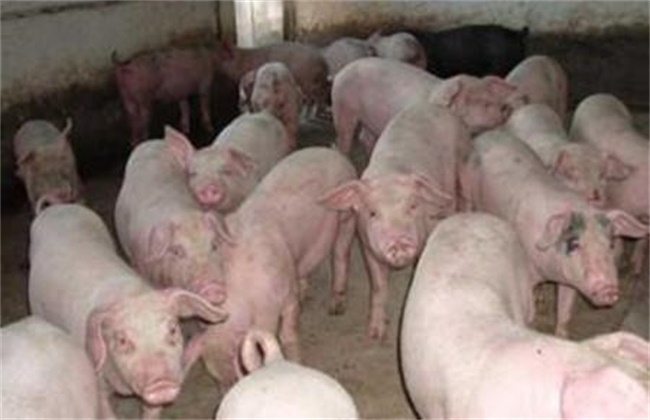
1. Harm
Mild cases of pig respiratory disease cause stunted growth, emaciation, and low feed conversion rates, while severe cases lead to reproductive disorders in the herd and pig deaths, seriously affecting pig farming profitability. The incidence rate in pig herds is around 30%-70%, and the mortality rate is around 10%-30%. It may even extend the time for pigs to reach market weight by 10-30 days, leading to reduced production performance, a higher culling rate, and possibly large-scale deaths. Therefore, in autumn, prevention and control of pig respiratory diseases should be given major attention, and prevention must not be neglected, ultimately leading to serious mistakes.
2. Clinical symptoms
After pigs contract respiratory diseases, most show elevated body temperature, which is an obvious symptom of most respiratory diseases; only one or two cases of respiratory disease do not show fever. Afterward, they also show symptoms such as difficulty breathing, lethargy, reduced appetite, sneezing, frequent coughing, reddening of the skin, and congestion.
3. Causes
The main causes of pig respiratory diseases include viral factors, and other viral diseases can all trigger this disease; environmental factors can also trigger it, such as excessively high concentrations of harmful gases or a large amount of dust in the pig house; during management, overcrowded raising, unsuitable temperature and humidity, and transport stress can also trigger this disease. The disease spreads very quickly within the group, with cross-transmission from sows to piglets and from fattening pigs to nursery pigs, so it is very difficult to prevent and control successfully and often recurs.
4. Preventive measures
First, maintain a suitable environment. In autumn, the temperature difference between day and night is large, so the pig house environment must be well managed. When the pig house is too dry, humidification can be used to reduce irritation of the pig respiratory mucosa by suspended particles in the air and prevent this disease. Balanced nutrition is the best veterinary medicine. Different regions, different pigs, and different feeding environments mean pigs' nutritional needs are not the same, so balanced nutrition is the foundation of pig health. In addition, the sanitary environment must be well managed, keeping the house dry, reducing temperature-difference stress, disinfecting regularly, and reducing dust concentration in the air. Reduce stocking density, because high stocking density affects the herd's feeding and resting and makes them highly susceptible to disease. Doing a good job with vaccine immunization is the foundation for disease prevention in pig herds. In particular, immunization work must be done well for swine fever, porcine pseudorabies, and porcine circovirus type 2 disease, and deworming work must also be done well.
As the autumn climate turns cooler, pig farmers must pay attention to pig farm management, especially novice pig farmers. If you want to learn more related knowledge, please stay tuned to us.