What to Do About Succulent Etiolation? Here Are the Right Remedies
Etiolation is one of the most common problems in succulent growing, and it is extremely detrimental to the growth and development of succulents. To prevent etiolation, you first need to understand its causes. So what causes succulent etiolation? How do you fix it? Let's take a look.
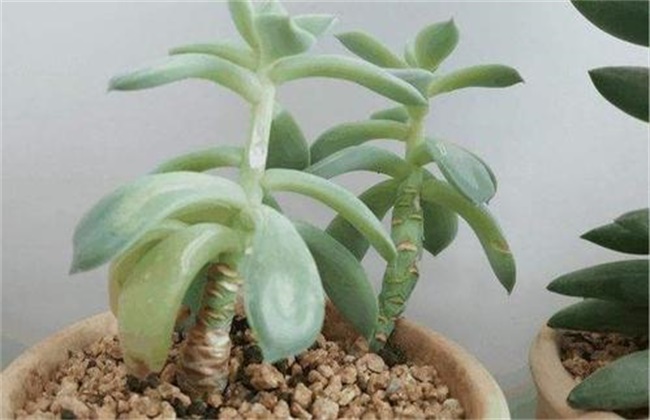
1. Insufficient Light
The environment where succulents are grown must have plenty of light. Insufficient light is a major cause of etiolation. The ultraviolet rays in sunlight inhibit auxin, and this effect is directly proportional to light intensity and duration. In other words, the greater the light intensity and the longer the duration, the stronger the inhibition of auxin. So when light is insufficient, succulents etiolate very easily.
Solution: Make sure succulents get enough hours of light. In summer, when the light is too strong, succulents may get sunburned or even die from the sun, so we have no choice but to shade them, which can also cause etiolation. When this happens, reduce watering, and the succulents will not etiolate too badly. Once the light is suitable again, take them out to bask in the sun and they will recover.
2. Overwatering
Many friends like to keep succulents on the balcony, where they inevitably get rained on. This is very helpful for replenishing their water, but if succulents are left out in the rain for a long time, they cannot absorb the excess water, so they grow taller to release it, resulting in etiolation. Overwatering works the same way.
Solution: Letting succulents get a moderate amount of rain on rainy days can promote their growth. When growing them indoors, water as little as possible, because on rainy days the air humidity is also relatively high and succulents need comparatively less water.
3. Overfertilizing
Many friends generally use compound fertilizer when growing succulents, but most compound fertilizers nowadays are inevitably nitrogen-based. Applying too much nitrogen fertilizer makes succulent cells divide too quickly, and if photosynthesis cannot keep up, the succulents will etiolate. So do not apply too much nitrogen fertilizer.
Solution: For fertilizing, it is generally recommended to use an organic liquid fertilizer specially made for succulents, diluted 500 times and poured onto the roots once every half month. This can prevent etiolation and also increase the succulents' root branching.
The above is an introduction to what to do about succulent etiolation. We hope it helps you. For more related knowledge, please stay tuned to us.