What are the methods for raising pigeons in winter?
Pigeons have many uses in our country, but the market is still dominated by meat pigeons, and the nutritional value of pigeon meat and pigeon eggs is very high. At present, the scale of pigeon farming is relatively large. When we raise pigeons, we must adjust the rearing methods according to the changes of the seasons. So how should pigeons be raised in winter? Below, the editor brings you the methods for raising pigeons in winter. Let's take a look!
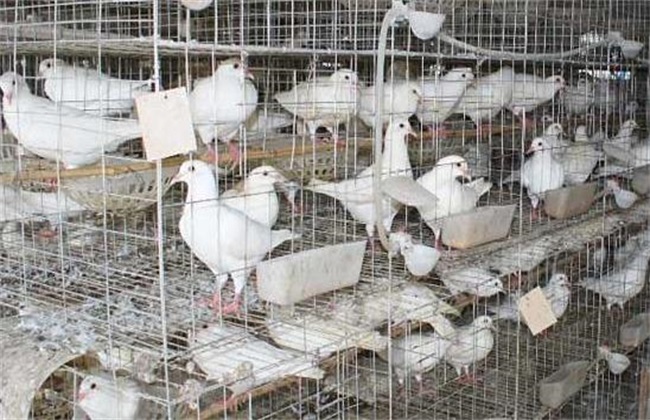
1. Heat preservation and ventilation
The temperature in winter is very low, so when raising pigeons in winter, heat preservation work is very important. The most direct way to keep the pigeon house warm in winter is to close the windows and shut the vents. However, while keeping warm, we must also pay attention to doing ventilation work well. Many farmers often neglect ventilation work when keeping warm. If the pigeon house is not ventilated for a long time, the air quality and humidity inside the pigeon house cannot be effectively controlled, causing the growth of the pigeons to be greatly affected. Therefore, while doing a good job of heat preservation in winter, we must also pay attention to doing ventilation work well. Ventilation can be carried out at noon on sunny days when the temperature is relatively high.
2. Supplement energy
The temperature in winter is very low. In addition to our artificial heat preservation, pigeons will also consume more energy to maintain their own body temperature. Therefore, pigeons have a very large demand for energy in winter, and energy is also the key substance that determines the amount of feed pigeons eat. In winter, the feed intake of pigeons will increase, so supplementing energy is a point that cannot be ignored in winter rearing. We can appropriately increase the proportion of feed with a higher fat content in the pigeons' feed, and at the same time pay attention to supplementing minerals, vitamins, etc., which can ensure that the pigeons overwinter safely.
3. Pigeon house management
The management work of the pigeon house in winter is also very important. We should frequently clean the pigeon house and keep it sanitary. Then we should observe the growth of the pigeons every day, such as eating, drinking, and defecation. This allows us to discover abnormal problems in time and grasp the health status of the flock. Then we should keep the pigeon house dry and sanitary. The straw and water plants should be disinfected and sun-dried regularly. The natural light time in winter is reduced, so we should also pay attention to doing supplementary lighting work well, especially to meet the lighting needs of breeding pigeons. A suitable lighting environment is very important for the growth of pigeons, and everyone must pay more attention to it.
4. Improve water quality
Feeding water to pigeons in winter is also very important. We should pay attention to water quality and water temperature. If pigeons are allowed to drink ice water or cold water in winter, it will cause irritation to the intestinal mucosa and affect the digestive ability of the gastrointestinal tract. If the water quality is poor, then enteritis and diarrhea are even more likely to occur. So we should base this on the actual situation and, while ensuring water quality, mainly provide warm water for drinking. An appropriate amount of probiotics or beneficial sugars can also be added to the drinking water to promote the nutrient absorption of pigeons.
The above is a brief introduction to the methods for raising pigeons in winter. That is all for today's introduction. This article is for reference only, and I hope it can help everyone!