Autumn care methods and precautions for Clivia
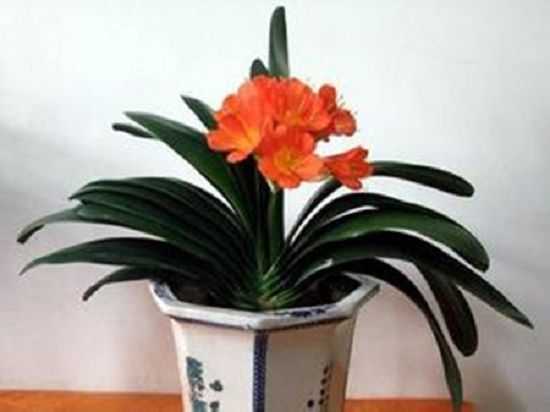
1. Light management
The normal growth, development and flowering of Clivia all require sufficient light, from which we can see the key role of light in the growth of Clivia;
In autumn the sunlight is soft, and Clivia will also grow healthily because of the autumn climate, so in autumn you should let the plant receive direct sunlight as much as possible, but remember not to expose it to strong sunlight; when there is strong light, pay attention to shading;
In autumn, light should be appropriately increased, as this can help the plant carry out photosynthesis and promote flowering.
2. Changing soil and repotting
The best time to change the soil and repot Clivia is autumn, so in autumn you should pay attention to the work of repotting and changing the soil;
When repotting, choose a pot suitable for the size of the plant; repotting will cause some nutrients to be lost, so after changing the soil and repotting you should also add an appropriate amount of nutrient soil;
The composition of the nutrient soil is generally mainly leaf mold, with an appropriate addition of charcoal, furnace slag and coarse sand.
3. Increasing fertilizer
Clivia needs a large amount of fertilizer when flowering, especially phosphorus and potassium fertilizer, so fertilize reasonably;
When fertilizing, be sure not to apply fertilizer onto the fleshy roots, so as to avoid burning the roots; when fertilizing it is best to do it together with watering; do not apply concentrated fertilizer, as it will burn the plant.
4. Division in autumn
When changing the soil in autumn, larger growing shoots can be divided off; they can be broken off directly by hand, and afterwards the wounds should be disinfected to prevent rot; they can then be planted in coarse sand or pine needles to root.
Alright, the above is the autumn care for Clivia; all these steps should be done well, so that Clivia can safely get through autumn.