How to deal with yellow leaves on orchids? A few practical methods to teach you
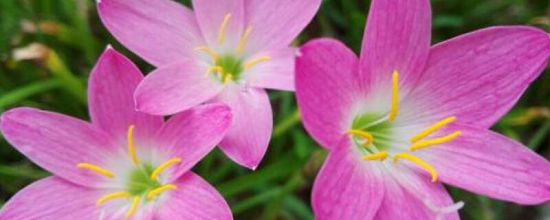
When yellow leaves appear on an orchid, you need to improve things through light, temperature, watering and fertilizing measures. Give it 6-8 hours of sunlight every day, and avoid strong direct sunlight. Keep the growing temperature at 18-25 degrees, keep the potting soil slightly moist each time you water, and during the growing season apply a decomposed organic fertilizer once every half month.
1. Maintain sufficient light
When an orchid has yellow leaves, you need to maintain sufficient light conditions. For example, place it in a sunny spot every day to receive 6-8 hours of sunlight. When the light is relatively strong, provide appropriate shading, and simply avoid direct sun exposure.
2. Maintain a warm environment
When an orchid has yellow leaves, you need to maintain a warm environment. Orchids like to grow in a warm environment, and the most suitable growing temperature is between 18-25 degrees. In spring and autumn, keep up normal care; in summer, take cooling measures; in winter, take insulation and warming measures.
3. Water reasonably
When an orchid has yellow leaves, you need to water it reasonably. Orchids like to grow in a slightly moist environment, so each time you water, be sure to use an appropriate amount and just keep the potting soil slightly moist. Do not water too much, which can cause severe waterlogging and root rot.
4. Fertilize reasonably
When an orchid has yellow leaves, you need to fertilize it reasonably. During the orchid's growing period, you can apply a decomposed organic fertilizer once every half month, increase the application of phosphorus and potassium fertilizer before the flowering period, apply a potassium dihydrogen phosphate foliar fertilizer once a month, and before overwintering apply a fertilizer mainly of phosphorus and potassium with nitrogen as a supplement.