What are the environmental requirements for raising Silkie chickens?
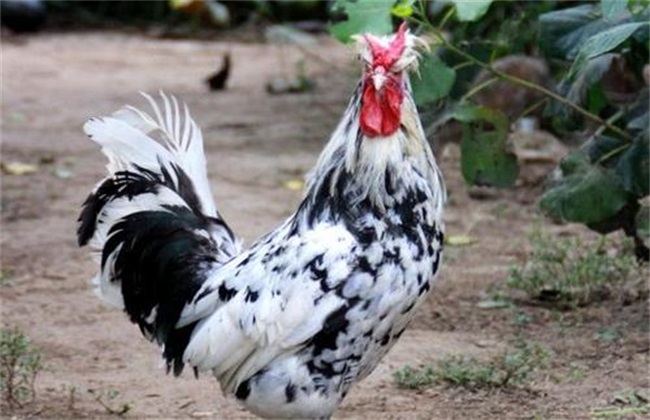
The Silkie chicken is a common type of poultry in China. Silkie chickens have very thick feathers, mainly white with patterned plumage, and have high ornamental value. The meat of Silkie chickens is very delicious, combining the advantages of pheasants and native chickens, and has ideal nutritional value. At present, the scale of farming in China is relatively large. However, when raising Silkie chickens, the farming environment must be well controlled. So today, the editor has brought you information on the growing environment of Silkie chickens. Let's take a look!
1. Stocking density
The first thing we need to control well is the stocking density of Silkie chickens. The stocking density of Silkie chickens is a key factor that directly affects whether they can grow normally. We should reasonably adjust the stocking density of Silkie chickens according to their growth time. Within 10 days of age, the stocking density can be maintained at around 60 birds/sq m. From 10-20 days of age, the density should be reduced to around 30 birds/sq m. Finally, at one month, the density should be controlled at around 20 birds/sq m. Finally, the stocking density should be continuously adjusted according to the growth of the Silkie chickens.
2. Light control
Light is also very important for the growth of Silkie chickens. Especially when they are chicks, the demand for light is very high. Within three days after the chicks hatch, full-day lighting should be the main approach. Then from the fourth day to one week, the lighting time should be maintained at around 22 hours. From the eighth day to one month, the lighting time can be appropriately reduced to around 15 hours. After the final month, artificial supplementary lighting is not needed, and natural light is sufficient. Finally, we should also control the light intensity according to the growth time of the Silkie chickens. For example, at one week, a 40-watt bulb should be used for artificial supplementary lighting. Then, as time goes on, the light intensity should be gradually reduced.
3. Humidity adjustment
When raising Silkie chickens, removing the need for brooding heat is an indispensable task. If the humidity is too high, it will affect the heat dissipation of Silkie chickens, leading to a decrease in appetite and making them prone to coccidiosis, cholera, and various other diseases, which will have a very large impact on the overall health of the flock. If the humidity is too low, it will cause Silkie chickens, especially chicks, to evaporate water from their bodies too quickly. This leads to poor yolk absorption, decreased feather quality, and undesirable phenomena such as feather pecking and vent pecking. Suitable humidity allows Silkie chickens to grow normally, with a normal appetite and good development.
4. Temperature management
Silkie chickens have relatively strict temperature requirements, especially during brooding, when they are greatly affected by changes in room temperature. During brooding, if the temperature is suitable, the chicks will be very lively and will eat and drink normally. If the temperature is too high or too low, it will seriously affect the growth of the chicks, and in severe cases lead to death. Usually, during the first three days after Silkie chicks hatch, the temperature should be controlled at around 35°C, and then starting from the fourth day, it should be lowered by about 1°C every two days until it stabilizes at around 22°C.
The above is a brief introduction to the growing environment of Silkie chickens. That's all for today's introduction. This article is for reference only, and we hope it can help you!