Key Points of Quail Rearing and Management Techniques in Winter
The quail is a bird of the family Phasianidae, distributed throughout China and a relatively common bird. The market demand for quail in China today is very large, and both quail eggs and quail meat are welcomed by many people. Therefore, the scale of quail farming is also relatively large now. When raising quail, rearing and management work is very important. This is especially true in winter, so how should quail be reared and managed in winter? Let's take a look below!
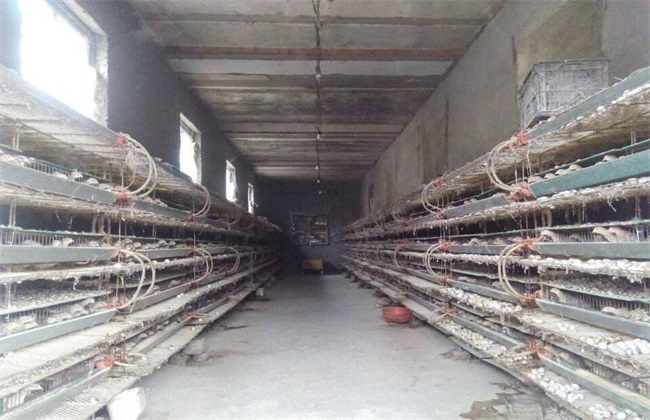
1. Balanced nutrition
When raising quail in winter, feed and feeding are very important; we should feed a complete and balanced compound feed. In addition, an appropriate amount of sand grains should be placed in the feed so that the quail mainly eat freely, improving the quail's digestive capacity. Plenty of warm water must also be provided for the quail; cold water must not be fed, otherwise the quail are prone to adverse phenomena such as diarrhea. When feeding the feed, ensure the feed contains sufficient vitamins, protein and various other nutrients to promote the quail's growth. If nutrition is inadequate, the quail's resistance declines, and it cannot be guaranteed whether they can safely overwinter.
2. Keeping warm and preventing cold
Winter temperatures are relatively low, and if the warmth-preserving work is not done well, it will have a relatively large impact on the quail's feeding, egg laying, and the fertilization of breeding eggs and various other production activities. Therefore, warmth-preserving work must be done well in winter, and insulating covers should be added on the rearing cages at night. The rearing density can be appropriately increased, or a double-layer quail house can be built, and then some materials such as rice husks and sawdust can be added between the two layers for insulation. The temperature must not be lower than 15°C, otherwise the quail's egg-laying rate will decline noticeably.
3. Light control
Light is also very crucial to the growth of quail. Because natural light hours decrease in winter, we must do a good job of artificial supplementary lighting. For egg-laying quail, at least 12 hours of light must be maintained every day. Then, reasonably equip light bulbs according to the size of the quail house; for example, a 100 sq m quail house should be equipped with at least 3 light bulbs, about one per 35 sq m. Then turn on the lights for about two hours each before dawn and after dark every day, providing a stable lighting environment for the quail.
4. Environmental management
Quail are very timid, and even a small sound may cause them to be startled. After being startled, quail will reduce their egg-laying rate and may also lay soft-shelled eggs. So when carrying out daily work such as feeding, collecting eggs and cleaning manure, we must be careful to move gently. In winter, the cage house must likewise be kept clean, and disinfection work should be carried out regularly using formalin or potassium permanganate, etc. Then, about every 1-2 weeks, the water troughs and feed troughs in the house should be disinfected, creating a good growing environment for the quail.
The above is a brief introduction to quail rearing and management in winter. That is all for today's introduction. This article is for reference only, and we hope it can be of some help to everyone!