What kind of rearing environment do free-range chicks need
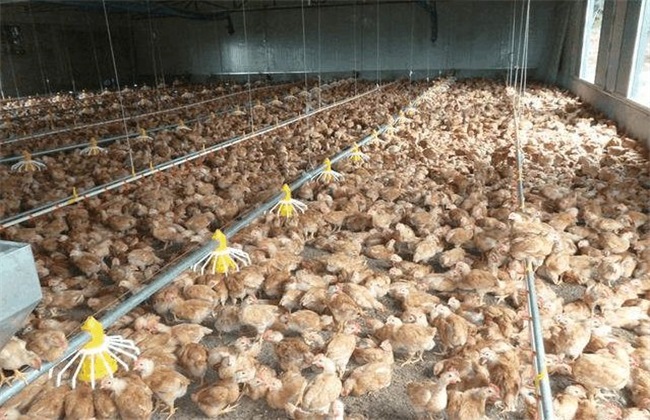
When raising free-range chickens, chick rearing is a key measure for raising chickens well. The quality of chick rearing is very critical in free-range chicken production. It not only directly affects the survival rate of the flock, but is also closely related to the production performance of the flock. Therefore, when raising free-range chicks, the rearing environment is very important. So today the editor has brought you the rearing environment for free-range chicks. Let's take a look below!
1. Temperature
Chicks have a relatively poor ability to regulate their own body temperature, and all their body functions are immature, so temperature changes have a very large impact on chick growth. Therefore, we must provide chicks with a suitable growing temperature, and the temperature during brooding should be judged according to the actual state of the chicks. When the temperature is suitable, the chicks are lively, their calls are normal, and their drinking and eating are normal. If the temperature is too low, the chicks will huddle together in groups, their feed intake will decrease, and they will keep calling. If the temperature is too high, the chicks will be restless and irritable, and their water intake will also increase significantly.
2. Humidity
Humidity is also something that needs to be controlled with emphasis in the growing environment of free-range chicks. It is especially important for chicks within 7 days of age, because if the humidity is too low, it will cause dehydration in the chicks and lead to poor yolk absorption. If the humidity is too high, it will reduce the chicks' appetite and cause diarrhea and even death. The humidity in the early brooding period should be higher than in the later period, because the temperature in the early brooding period is relatively high. The speed of water evaporation is also relatively fast, so a relatively high humidity should be maintained in the early brooding period. Methods such as spray disinfection with the chickens present or placing more water trays can be used to increase humidity, and then the humidity should be gradually reduced as the chicks grow.
3. Light
Light is the main factor affecting chicks' eating, drinking, and movement. It is very beneficial to chick growth and can help chicks gain weight quickly. During the rearing process, a combination of artificial supplemental lighting and natural light should be used. During the first three days after hatching, full-day light should be maintained. Starting from the fourth day until within half a month, the daily light duration should be controlled at about 15 hours. Then the light duration should be appropriately reduced by two hours each week, continuing until after one month, when natural light should be mainly used. Avoid excessively strong light, which can cause feather-pecking behavior in chicks.
4. Ventilation
Ventilation is also an indispensable management task when raising chicks. It is mainly to improve the air quality in the chick house and expel harmful gases from the house, such as carbon dioxide, ammonia, and hydrogen sulfide. Reasonable ventilation is a key measure to ensure fresh air in the brooding room. It can also achieve the purpose of regulating temperature and humidity, which is very beneficial to the growth and development of chicks. The ventilation volume should be adjusted flexibly according to various factors such as the age of the chicks, the season, and the weather. However, when ventilating, attention should be paid to preventing drafts from invading.
The above is a brief introduction to the rearing environment for free-range chicks. In addition to the above, density and other factors also require our attention. That is all for today's introduction. This article is for reference only. Thank you for reading and supporting.