What are the requirements for a peafowl's rearing environment?
The peafowl is a very beautiful animal, and the most common peafowl breed is the blue peafowl (Indian peafowl), whose meat has very high food value. There is now also a very large breeding area for them in our country, and when raising peafowl you must pay attention to controlling their rearing environment well to ensure they can grow normally. So what kind of environment is needed for raising peafowl? Below, the editor brings you the rearing environment for peafowl, let's take a look!
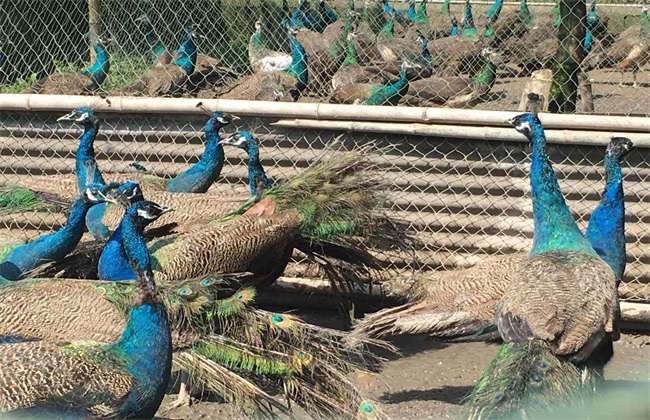
1. Temperature control
Temperature is the first part of the rearing environment that must be controlled well when raising peafowl. When raising peafowl, if they are kept in cages, the optimum temperature suitable for their growth is around 22°C. Keeping it at around 20-25°C is enough; if it goes beyond the 15-30°C range, it will have a great impact on the growth of the peafowl. It will also cost manpower and money to maintain the temperature, which leads to an increase in rearing costs.
2. Light control
Light has a very large influence on the growth of peafowl, and light directly affects their sexual maturity, so when raising peafowl we must also be sure to control the light environment well. For example, if female peafowl are kept in a long-daylight environment for a long time, their sexual maturity will come earlier. When raising them, in order to reduce rearing costs, unless unexpected circumstances occur, artificial supplementary lighting is usually not needed; natural light is enough to meet the peafowl's light needs.
3. Raising in groups
When raising young peafowl, we should separate them into groups according to sex, and the male-to-female ratio is generally controlled at around 3:1. The number in each group should be kept within 30 birds, and each peafowl must be provided with sufficient growing space, at least around 1 sq m. Then in the later stage of peafowl rearing, they should be appropriately divided into cages and groups for raising, enlarging the growing space of each peafowl.
4. Reasonable ventilation
The feed intake and respiration of peafowl increase along with changes in the growth stage. After entering the young stage, all aspects expand noticeably. Then in low-temperature environments such as autumn and winter, closed management should be the main approach in order to keep them warm. However, closed management will lower the air quality inside the house and cause humidity to exceed the standard as well. Therefore we must pay attention to maintaining good ventilation, controlling the humidity inside the house, keeping the air quality in the cages and houses good, and creating a warm and dry growing environment for the peafowl.
The above is a brief introduction to the rearing environment for peafowl. In addition to this, we must also satisfy the peafowl's growing habits of enjoying sunbathing and dust baths, to promote their overall development. That is all for today's introduction; this article is for reference only, and we hope it can help everyone!