What are the requirements of young ostriches for their growing environment?
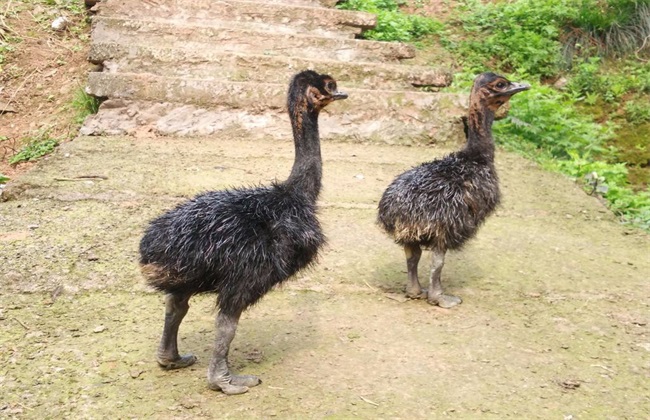
Ostrich farming is now fairly common in China, but the farming situation is not very ideal. Because the survival rate of young ostriches is very low, the development of the ostrich farming industry has also been greatly hindered. In fact, young ostriches do have certain requirements for their growing environment, and as long as these environmental conditions are well controlled, the survival rate can be appropriately increased. So let's take a look below with the editor at what requirements young ostriches have for their growing environment!
1. Temperature
When raising young ostriches, temperature control is very important. Because young ostriches are not strong in growth ability and are immature in all aspects of development, their body temperature regulation is also relatively poor. During the first 5 days of age for young ostriches, the temperature should be controlled at around 35°C, and then as time goes on, it should be appropriately lowered by about 2°C each week. Until the ninth week, it is enough to keep the temperature stable at around 19°C. If brooding is carried out in low-temperature seasons such as winter and spring, and the temperature in the brooding room is insufficient, then the temperature should be appropriately raised artificially.
2. Humidity
After young ostriches hatch, they contain a lot of moisture. Under normal circumstances, reasonable humidity can help young ostriches reduce swelling and also prevent dehydration. Therefore, during the rearing of young ostriches, humidity control is also very important. Generally, humidity should be controlled at around 65%. Humidity should not be too high or too low. If it is too high, the house will be damp, which easily breeds various pathogens and also reduces the resistance of young ostriches, thereby causing the survival rate to decline. If it is too low, it cannot meet the moisture needs of young ostriches for growth, so everyone must pay close attention to this.
3. Ventilation
Before raising young ostriches, we first need to prepare the brooding room. The ventilation of the brooding room is very important, because ostriches differ from other birds. They themselves have a bladder, so the amount of urine each day is very large. If the amount of urine is excessive, a large amount of irritating gas will be produced. This will have a very large impact on the skin, breathing, and eyes of young ostriches. Therefore, it is essential to ensure that the brooding room has good ventilation, but when ventilating, attention should be paid to preventing drafts and thief winds.
4. Light
Light is also very important for the growth of young ostriches, and it is likewise a major factor affecting the survival rate of young ostriches. Under normal circumstances, young ostriches at one and a half months of age also need to eat at night. If there is insufficient light at night, it will affect the normal eating of young ostriches, thereby affecting growth and development. Therefore, in order to ensure normal eating at night, artificial light should be provided for young ostriches at night. After two months, if the ostriches are growing and developing normally, then there is no need to turn on the lights at night anymore.
The above is a brief introduction to the requirements of young ostriches for their growing environment. That is all for today's introduction. This article is for reference only, and I hope it can help everyone!