Why Does a Fish Pond Become Oxygen-Depleted? An Analysis of Common Causes
When raising fish, oxygen control is a critical matter, because one careless moment can cause fish to die en masse. So why does oxygen depletion occur? And what causes lead to oxygen depletion? Let's take a look and learn about it together, so you can avoid this risk!
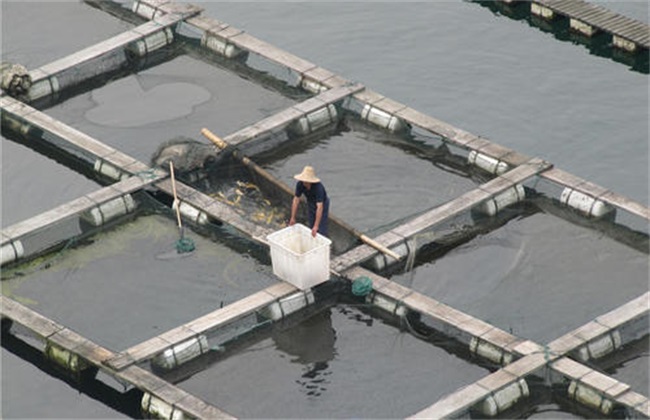
1. High temperatures
High temperatures can actually cause oxygen depletion in a pond too. When the temperature rises, oxygen in the air does not easily dissolve into the water, while fish consume more oxygen because of the high temperature. With one side high and the other low, the pond naturally becomes oxygen-depleted. At this point, on the one hand it is best to deepen the pond water, and on the other hand you can use an aeration machine; next, increase the frequency of water changes, so that a steady supply of fresh water raises the oxygen content of the pond, making things more reliable.
2. High stocking density
Stocking density is also one of the causes of oxygen depletion. Some farmers pursue stocking density excessively in order to maximize farming profits. Doing so raises the number of fish, but oxygen consumption goes up as well, so the oxygen that was only just enough naturally becomes insufficient. In addition, if the density is too high, the fish will remain relatively active for long periods, and the oxygen consumed by a single fish will also increase, so controlling density is also a fairly critical matter.
3. Pond bottom sludge too deep
The sludge at the bottom of a pond contains many substances that can be oxidized, and they consume more oxygen than the fish do. The more sludge there is, the more oxygen is consumed, so naturally less is available to the fish, and in the end the fish suffer oxygen depletion. If you observe fish ponds more often, you will find that ponds that frequently need aeration generally have thicker sludge at the bottom. Many people think that dredging is only for removing pathogens from the pond bottom, but in fact it is also for reducing oxygen consumption in the water.
4. Massive reproduction of microorganisms
The longer a pond goes unmanaged, the more microorganisms it has. Do not underestimate these microorganisms; their oxygen demand is extremely high, and they can affect the oxygen concentration of a pond to a great extent. Regular sterilization and water changes in a pond are also, in effect, a way of clearing out microorganisms, because these microorganisms are very likely to infect the fish. In daily fish farming, it is best to change the water and sterilize regularly, which can noticeably reduce oxygen depletion in the pond.
Managing a fish pond requires attention on many fronts. Newly built ponds rarely suffer oxygen depletion, because for the time being these situations have not yet occurred in them. Older ponds that are used frequently have a higher chance of oxygen depletion, so you must tackle it from every angle to reduce such oxygen depletion.