How to Grow Anthurium? Detailed Guide to Care Methods and Precautions
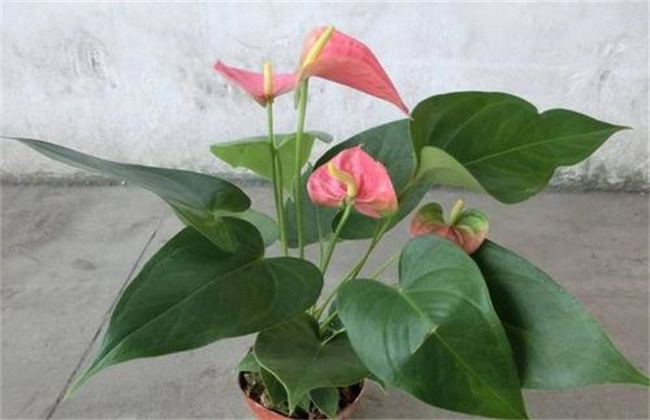
Anthurium is a very attractive ornamental plant. Its flowers are quite unusual, and its color is pink, which is also the origin of its name. Moreover, its flowering period is long, with a single flower lasting 2—4 months, making it a premium flower with good development prospects. So how should Anthurium be grown? What should be noted? Let's take a look.
1. Pot and Soil Selection
The flower pot can be chosen according to the size of the plant, and it should not be too large, so that the soil will not dry too slowly after receiving water, which would affect root growth. The soil should preferably be loose, breathable, and well-draining. You can mix peat soil and leaf mold with perlite to make a nutrient soil, or add an appropriate amount of base fertilizer to the nutrient soil to ensure sufficient soil nutrients. You can also add some broken tiles at the bottom of the pot to facilitate drainage.
2. Light and Temperature
Anthurium prefers shade, so care should include shading, but it should not be kept completely away from light. If it is completely kept out of light, the plant will lose its luster, so shading under sunlight is sufficient. In winter, when the light is weaker, shading is not necessary. Anthurium likes a warm environment and is sensitive to high temperatures and cold. The suitable growth temperature is 19-25 degrees. In summer, when temperatures are high, attention should be paid: once the temperature is above 25 degrees, ventilation and heat dissipation should be provided promptly. At a high temperature of 32 degrees, growth will stop. In winter, when the temperature is too low, attention should be paid to cold protection. When it is below 13 degrees, it will enter a dormant period. It can be placed indoors for care, or covered with a plastic bag.
3. Watering and Fertilizing
Anthurium likes moisture and is sensitive to drought, so keeping the potting soil moist is extremely important. The water should preferably be slightly acidic. In summer, Anthurium has a relatively large water demand, so it can be watered once every 1-2 days. Absolutely avoid water accumulation in the potting soil, because long-term soaking in water can easily cause root rot. When the climate is too dry, you can spray a little water on the leaves. In winter, watering should be reduced. During the growth period of Anthurium, appropriate fertilizing is needed. Generally, fertilizing in the morning and evening will produce better results. Fertilizers can include liquid fertilizer, nitrogen fertilizer, phosphorus fertilizer, potassium fertilizer, etc.
4. Precautions
As the plant grows, the original pot can no longer meet its growth needs, so it needs to be repotted in time, but care should be taken when repotting not to damage the plant's root system. Also, wipe dust off the surface of Anthurium, because Anthurium is relatively afraid of dryness, but it also easily collects dust, so it needs to be wiped clean with a damp cloth, and then sprayed with water. Anthurium leaf blight is a relatively common disease, so a fungicide such as Jun Du Qing or mancozeb should be sprayed once a month. Termites and aphids are also relatively common pests. When there are not many, they can be removed with a brush, writing brush, etc., but be careful not to damage the leaves.
The above is an introduction to Anthurium care methods and precautions. We hope it can help you. If you want to learn more related knowledge, please follow us.