What are the common problems in ecological chicken farming?
Ecological chicken farming is gradually becoming widespread now, and the farmers who came before have summed up some issues to watch out for through painful, costly lessons. When doing ecological chicken farming, you must pay attention to these problems, otherwise once you go in blindly, it will be hard to get out! So which common problems have a rather serious impact? Let's take a look below!
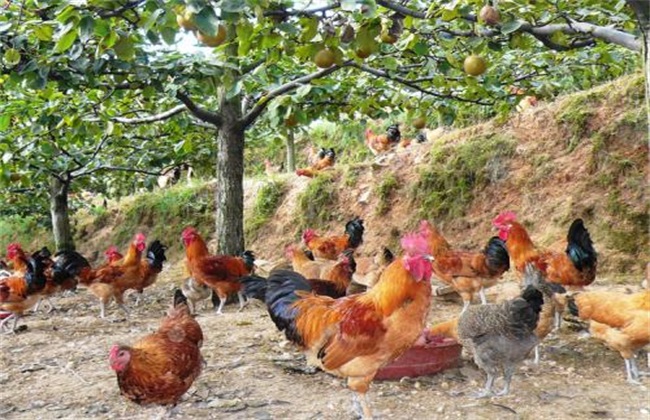
1. Medication problems
The first is medication. Ecological farming chooses the wild, and many farmers like to give their chickens medicine because they worry there are many diseases in the wild, and that having an extra layer of prevention can reduce their losses. Actually, this is not very reasonable. Excessive medication in ecological chicken farming only affects the chickens' growth, making their immune mechanisms weak and the incidence of disease even higher. Secondly, when just a few chickens get sick, they always like to give preventive medicine to the whole flock, yet they do not isolate the sick chickens themselves. These are all wrong medication practices that will seriously affect your farming returns.
2. Feeding problems
Chickens raised ecologically grow relatively slowly, which does not serve the farmers' interests, so some farmers start feeding all kinds of additives so the chickens can grow faster. In fact, ecological chicken farming emphasizes stability and quality. Doing this destroys its characteristics, and in the end the chickens raised are not recognized by others as ecological farming, which will severely drive down the selling price. After putting in so much effort, to then fail on this point is extremely irrational. Do not doubt the knowledge that some people who come to buy chickens have about free-range chickens; they wish you would do exactly this so they can push the price down, so do not blindly seek quick results.
3. Farming problems
Farming here means the management of the flock, and secondly, not following the chickens' growth patterns. As farming goes on, every flock will always have some chickens that do not meet the standard. For such chickens, you must be ruthless and cull some of them. You can raise them separately together, and it is best not to mix them in, because such chickens have a high incidence of disease and pose a relatively large safety hazard. There is no need to let just a few chickens threaten your farming interests, otherwise once disease breaks out, those few chickens cannot make up for the losses. Chickens have their own growth patterns, and you cannot rush the two aspects of feed switching and egg laying, otherwise in the end the chickens will lay early, but the laying time and number will drop severely, and the loss will outweigh the gain.
4. Hygiene problems
Hygiene problems are an old topic. Chickens raised in the wild do indeed have a somewhat higher chance of disease and pests; after all, there are indeed many uncontrollable factors in this larger environment. But you do not need to deliberately give the chickens medicine as prevention because of this, or frequently disinfect the farming site to avoid risks. Doing so not only increases costs but also wears you out, while the effect is not necessarily obvious. If you are really worried, you can isolate the farming area, change areas regularly for farming, and when the other side is left empty, just do a thorough disinfection and cleaning! This way hygiene is more ideal.
The above are some experiences that farmers have summed up for everyone. If you have better ideas, you can also share them. Ecological chicken farming is indeed generally rather difficult, but you should not worry too much either. This technique is very mature now, and many situations already have corresponding reasonable solutions!