Key Technical Points for the Feeding and Management of Pregnant Ewes
As one of the main livestock species in our country, sheep are raised over a very large area in China. Whether it is wool, mutton or goat milk, there is a very large market demand in China. When raising sheep, the feeding of pregnant ewes is extremely important work, as it directly affects the development of the entire flock. So how should pregnant ewes be managed? Below, the editor brings you the feeding and management techniques for pregnant ewes. Let's take a look!
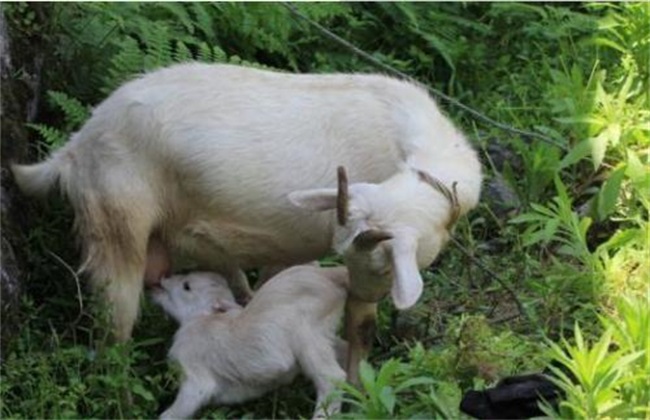
1. Management in early pregnancy
The gestation period of a ewe is generally around 5 months, and according to the development of the fetus it can be divided into two stages: early and late pregnancy. In the early stage, the fetus grows relatively slowly, and its weight gain is generally only 1/10 of that of a newborn lamb. Therefore, the demand for nutrients is relatively large, so compared with the non-pregnant period, nutrition should be appropriately increased. In the early stage, the ewe's ability to digest roughage is relatively strong. So some hay can be fed appropriately, but it is necessary to ensure that there is enough forage and feed, and to control the temperature of the drinking water well. Prevent the ewe from being startled and running around, to avoid causing early hidden abortion in the ewe.
2. Management in late pregnancy
When the ewe has been pregnant for the last two months, it enters late pregnancy. In late pregnancy, the fetus grows very quickly; generally 4/5 of the fetus's body weight is gained during the last two months. So if the ewe lacks nutrition in late pregnancy, it will cause various adverse phenomena. For example, lambs born with insufficient body weight, poor physiological function and poor thermoregulation, etc., leading to poor development of the lamb and reducing the lamb's growth ability. This causes the lamb's constitution to be too poor, making it prone to various diseases, and in severe cases it can even lead to death, reducing the lamb's survival rate.
Therefore, after the ewe enters late pregnancy, we must ensure sufficient feed, provide a complete formula feed for the pregnant ewe, and maintain nutritional balance. We cannot rely only on grazing to meet the pregnant ewe's nutritional needs; supplementary feeding work must be strengthened. After the pregnant ewe has been pregnant for about two months, some high-quality concentrated feed and hay should be fed. In particular, attention should be paid to supplementing the pregnant ewe with sufficient protein, calcium and other substances. Control the amount of feed well; the daily amount of concentrated feed per ewe should be controlled at around 0.7kg, and 10 days before lambing, attention should be paid to feeding more green feed.
3. Disease prevention and control
When the ewe is pregnant, disease prevention and control work is also very important. We must strengthen management to enhance the ewe's constitution and abilities in all aspects, with prevention as the priority. When feeding feed, ensure the feed is clean enough, and do not feed moldy or expired feed. Then do a good job in the sanitation of the sheep shed, regularly remove sheep manure, and do a good job in disinfecting the sheep shed. When the temperature is relatively low, also do a good job in cold protection and insulation, to avoid the sheep catching colds and other wind-cold diseases, which would affect the growth of the fetus.
The above is a brief introduction to the feeding and management techniques for pregnant ewes. That is all for today's introduction. This article is for reference only, and I hope it can help everyone!