What are the correct methods for deworming sheep in autumn?
Autumn is the harvest season, when all kinds of grasses mature and are rich in nutrients, and it is also a good time to raise sheep. However, autumn is also a season when various parasites in sheep flocks occur frequently, so when raising sheep in autumn, autumn deworming work needs to be done well. If deworming is not done properly, no matter how well the sheep are fed it will be useless; instead, the sheep will become thinner and thinner until they die. So how should sheep be dewormed in autumn? Let's take a look together.
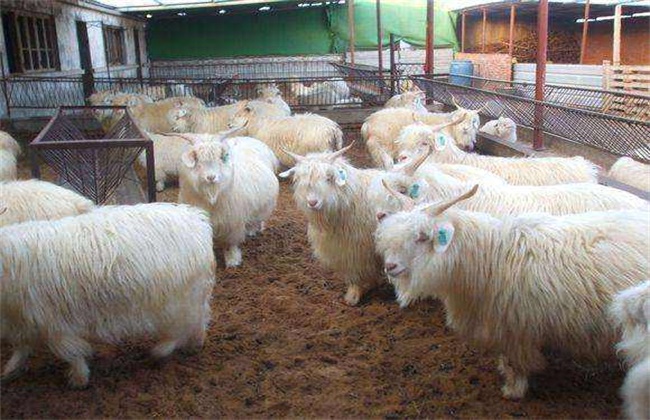
1. Do a good job of sanitation in the sheep shed
First, the sheep shed and exercise yard need to be kept dry and clean. The manure in the sheep shed and the dirt in the feed troughs should be cleaned and cleared frequently. The water troughs and feed troughs should be disinfected once every half month with a low-concentration potassium permanganate solution, and the pens should be disinfected once a month. When disinfecting, first clean thoroughly, then rinse with water, then disinfect, and rinse once more the next day, leaving the pen empty for a week. Commonly used disinfectants include lime milk and bleaching powder. Use a sprayer to spray the ground and walls, leaving no dead corners.
2. Drug deworming
Autumn is a season of high incidence and prevalence of parasites. In addition to using levamisole or albendazole for routine deworming of the sheep flock, a comprehensive deworming of the flock should also be carried out once. The main internal parasites of sheep include nematodes, trematodes and tapeworms, and they often cause mixed infections. They can be eliminated with albendazole, with a dosage of 15 mg per kg of body weight, given orally once. External parasites include mites and lice. Pine needle powder or a 1% trichlorfon solution can be applied to the affected areas, or avermectin can be injected subcutaneously, with good results.
3. Medicated bathing
In areas with a high incidence of parasites, ewes should be dewormed promptly 3-4 weeks after giving birth. Lambs are highly susceptible to parasite infestation after weaning, so protective deworming should be carried out. Medicated bathing is an effective measure for preventing and treating external parasitic diseases, especially for controlling mites. The bath solution can be 0.025%-0.05% amitraz emulsion, 5-15 mg/L deltamethrin solution, etc. Medicated bathing should be done on a sunny day. Feeding should stop eight hours before the bath, and 2-3 hours before the bath the sheep should drink enough water, so as to avoid poisoning from drinking the medicated liquid after entering the bath.
The above is an introduction to methods for deworming sheep in autumn. We hope it can help you. To learn more related knowledge, please stay tuned to us.