How to Raise Belgian Hares? A Detailed Explanation of Key Breeding Techniques
The Belgian Hare, also known as the Lop Rabbit, is a high-quality large meat rabbit with an extremely high lean meat rate, averaging over 80%. Its resistance and adaptability are both extremely strong, and some rabbit-raising beginners can consider using the Belgian Hare to practice with, as it is extremely tolerant of coarse feed. The key point is that even when the breeding methods are not up to standard, the meat quality of the Belgian Hare raised is still extremely tender. So how should Belgian Hares be raised? Let's learn about it together below!
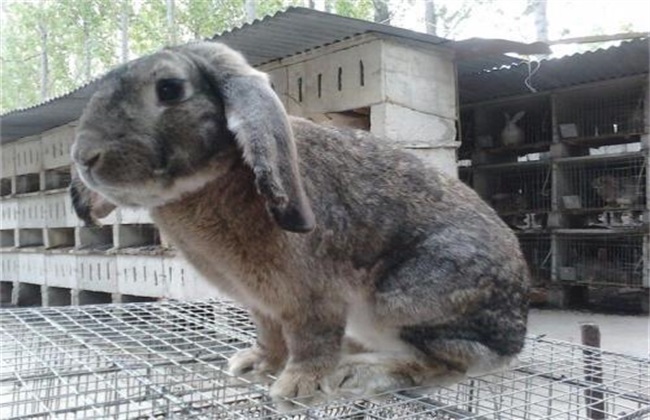
1. Living Habits
If you want to raise Belgian Hares well, you need to understand their habits clearly, which can avoid many problems later on. The Belgian Hare is a gentle animal that does not like to move around in daily life, so the fattening effect is obvious. Like rabbits of other breeds, the Belgian Hare breeding site needs to be relatively quiet, and in daily life try not to make too much noise, as this will stimulate it. If the environment is noisy for a long time, the Belgian Hare will be in an irritable environment for a long time and will not eat. The rabbit hutch must be kept clean and tidy, which can reduce the probability of illness and parasites. Because its fur is relatively thick, the Belgian Hare is relatively cold-resistant, but its resistance to high temperatures is extremely poor, so the temperature of the rabbit hutch should be relatively low, generally around 20°-25°. Rabbits have the habit of gnawing their teeth, and the Belgian Hare is even more so, so when feeding daily it is best to have something harder for it to bite on for gnawing, otherwise it may damage the rabbit cage.
2. Management of Young Rabbits
After everyone understands its habits, they can carry out targeted management. During the young rabbit period, the Belgian Hare is the most vulnerable, so more attention should be paid at this time. Because young rabbits have not yet grown a full coat, the temperature of the rabbit hutch at this time is best controlled at around 30°, and then the temperature needs to be slowly lowered later to prevent them from freezing. They are more active at night, so feeding once during the day is enough, and fattening twice at night, so the fattening effect is relatively obvious. At night, more feed can be left for the young rabbits, which is beneficial for their rapid growth. The forage can be slightly drier, and there must be no moisture on the surface, otherwise the Belgian Hare is prone to diarrhea. Within 10-20 days, the vaccinations should be completed. Common vaccines include Clostridium welchii vaccine, Clostridium vaccine, and so on.
3. Feed Selection
The Belgian Hare is not very picky about food, and both feed and forage can be fed to it. The feed can be prepared by yourself, generally composed of corn, soybean meal, bran, grass powder, and so on, then adding an appropriate amount of trace elements and nutrients such as fish meal and bone meal. During the young rabbit period, it is essential to feed some bone meal and the like to accelerate the growth of the Belgian Hare. As for forage, pasture grass, wild vegetables, peanut vines, bean vines, sweet potato vines, and the like can all be fed, as long as they are not wet.
4. Environmental Control
A good environment will greatly increase the fattening effect of the Belgian Hare, so the environmental conditions of the rabbit hutch are extremely important. The main things are doing a good job in temperature control, humidity control, and ventilation, and then the cleaning of manure. The temperature during the young rabbit period has already been mentioned earlier; afterward, keeping the temperature of the rabbit hutch at around 15°-22° is enough, and it can be adjusted appropriately depending on the local temperature conditions. Humidity should be kept hovering at around 60-65%. The air outlet should not face the rabbit cage directly; just ensure air circulation. Secondly, direct sunlight on the rabbits should also be avoided.
The above is the breeding method for Belgian Hares. As a high-quality meat rabbit, the breeding prospects of the Belgian Hare are actually quite good. If you are interested, you can consider it. If you want to learn more information, you can follow us!