Detailed explanation of pond fish farming methods and techniques
The most common mode of fish farming is pond culture, but pond fish farming is not simple to manage either. Preventing diseases, or dealing with aging pond water quality and inconvenient irrigation and drainage. Sometimes there is too much aquatic grass, and duckweed and algae cover too much, making disinfection work difficult. These are all problems with pond culture. So what are the methods and techniques of pond culture? Let's take a look together.
1. Clearing and disinfecting the pond
Dredge the irrigation and drainage channels, and also clean out the silt in the pond, which may be quite a lot; only about 20 cm of mud needs to be left. Use 200 jin of quicklime to disinfect one mu of pond, keep the water 2 m deep, and after one week clean it thoroughly; only when the medicine no longer has any effect can fish be stocked. Sometimes bleaching powder can also be used for disinfection.
2. Maintaining water quality
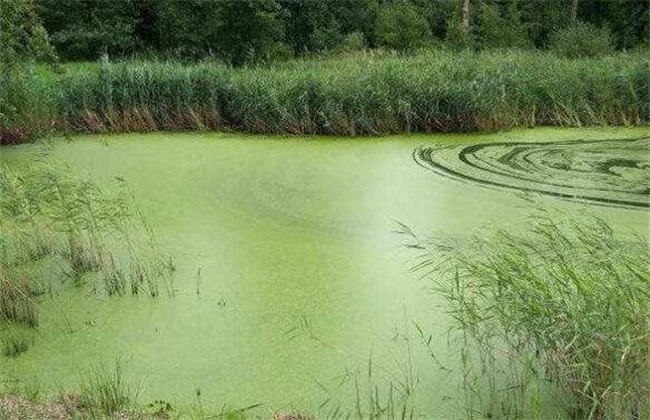
With too much aquatic grass, the air in the pond is too poor, and some things rot, affecting the pond's water quality. Therefore, excessive aquatic grass must be cleared, or algae; some algae release harmful substances, so they must be removed as soon as they are found. A small amount of duckweed can provide shade, but too much is bad for fish growth, and duckweed grows very quickly. Some algae pollute the water source and can cause the water quality to become acidic, and acidic water quality easily ages.
3. Disease prevention
Fish are prone to disease in the high-temperature summer and in autumn when temperatures fluctuate, so during the high-temperature period lime should be spread once every half month in the pond, 20 jin per mu. Use 250 g of 90% trichlorfon crystal dissolved in water solution and spray it. For the food fed to the fish, use copper sulfate and the like for disinfection. Feeding utensils should also be bleached and cleaned. Sometimes when gastrointestinal diseases are prevalent, the food can be fed together with garlic.
4. Pond environment
The pond width should be about 5 mu, with a depth of more than 2 m. The pond area should not be too large, as it is hard to manage; drainage, or changing the water, is more convenient. Slightly alkaline soil is needed, and the soil should be sandy soil. A pond water surface visibility of 30 cm should be possible, and the pond water should be relatively clear, with light brown being best. But before fertilizing, it is best for it to be relatively clear.
These are some possible methods and techniques for pond fish farming, mainly discussing management aspects. All kinds of detailed issues must be handled well.