Key Points of Insect-Based Chicken Farming Techniques and a Detailed Guide to Feeding Methods
Insect-based chicken farming refers to using insects to raise chickens, artificially breeding the larvae of certain insects as feed for the flock. In fact, using insects to raise chickens works because chickens naturally catch insects to eat on their own, and these insects are generally high-protein, nutrient-rich natural feed that is very suitable for raising flocks, especially for free-range flocks. So now let us take a look at the methods of insect-based chicken farming.
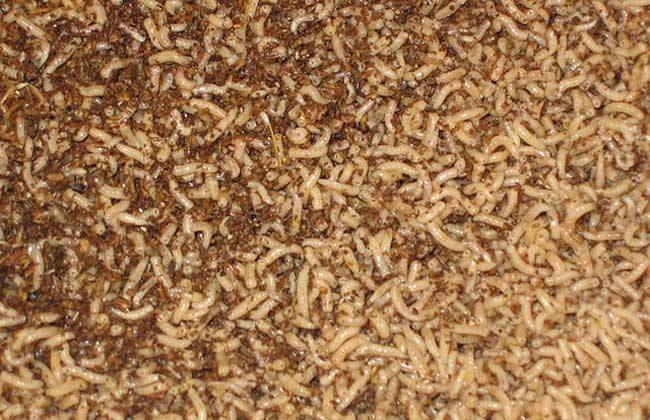
1. Artificial insect breeding
Artificially breed some common insect species used as animal feed, such as yellow mealworms, and earthworms and fly maggots that flocks often catch. Breeding insects artificially is the only way to meet the flock's feeding needs. Generally, wheat bran, straw and weeds are used to breed insects. Dig a pit in a dark, damp place, 2 m long and 2 m wide, and lay straw and rice straw inside it to a thickness of 30 cm. Splash urine-based fertilizer onto the grass, then seal it with soil, and every day pour on some rice-washing water or similar. After a period of time, insects will grow.
2. Farming environment
Insect-fed chickens are generally raised under trees; broadleaf trees, coniferous forests, broadleaf woodlands and shrubs can all be used. It is best to choose economically valuable woodlands. In summer, they can be raised under broadleaf and evergreen woodlands, such as pear orchards, plum orchards and tea tree groves. In winter, it is best to raise them under young deciduous woodlands, such as chestnut orchards, moso bamboo groves and peach orchards.
3. Feeding insects
Every day, take the insects to the woodland and scatter them as food for the flock, calling the flock over to catch and eat them. If they are fly maggots, you can rinse the insects directly with clean water, and then the amount fed should be about 25% of the total feed; because it is high-protein feed, it should not be fed in too large an amount, and adding fly maggots means feeding twice a day is enough. When adding fly maggots, do not feed other high-protein feed, such as bean-based feed. However, it needs to be fed together with green vegetable leaves, green grass and minerals. That way the nutrition is comprehensive.
4. Points to note
Chicks are generally not fed insects; they are fed formula feed, and once the chicks have grown a bit they can be fed insects, generally after one month. At this time, feed fly maggots plus cornmeal. Gradually reduce the feeding of formula feed. When the chicks have grown for nearly two months, formula feed can be stopped, and only cornmeal and fly maggots are fed. Note that the main feed should still be energy feed, such as cornmeal.
Insect-based chicken farming is a new trend now, and it offers more advantages in farming, so many people have begun to join the ranks of raising chickens with insects. There is also the title of insect-fed chicken.