What are the precautions for autumn aquaculture? A detailed explanation of management key points
Autumn is an important season for the growth, fattening and harvest of aquatic products, and it is the most critical period in aquaculture management. At this time, a slight management mistake may cause a year of hard work to go down the drain. So what should be paid attention to in autumn aquaculture? Let's take a look together.
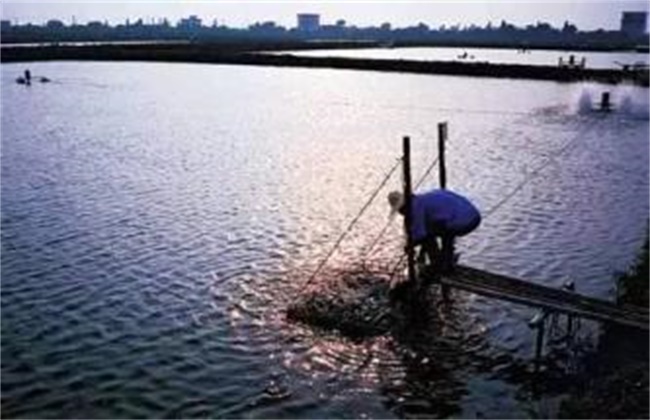
1. Strengthen water quality regulation
First of all, change the water in time, in small amounts and multiple times, and draw water from the middle and upper layers to increase the variety of plankton and prevent and reduce the breeding of blue-green algae to form “blue scum water”. Aquaculture ponds should be splashed with quicklime once every half month to increase the calcium in the water body, generally using about 10 kg per mu. In addition, microbial preparations such as Bacillus, photosynthetic bacteria and nitrifying bacteria should be used to regulate water quality, so as to reduce nitrite, hydrogen sulfide and excessively high pH. Also, for ponds equipped with aerators, the aerators should be turned on in a timely and reasonable manner according to the weather and the activity of the cultured species, so as to increase dissolved oxygen in the water body and promote the appetite and disease resistance of aquatic products.
2. Scientific feeding
In the early autumn, the water temperature is moderate, which is the second peak growth period for fish. At this time, feeding should follow the four principles of fixed time, fixed location, fixed quality and fixed quantity. Feeding should be flexibly controlled according to the weather, water quality and fish feeding situation. The feed must be comprehensive in nutrition and good in palatability, and at the same time the feed must be kept fresh. Do not feed moldy or spoiled feed, so as to ensure that the fish eat well and are full without causing waste and water pollution. At the same time, feed should be reasonably fed according to the feeding habits and nutritional needs of different fish, with a daily feeding amount of 3%—4% of the pond fish body weight.
3. Disease prevention and control
Diseases are very likely to occur in autumn, so a disinfectant preparation should be splashed over the whole pond for sterilization and disinfection once about every 20 days, and garlic and salt should be added to the feed to prevent and control bacterial diseases in fish. At the same time, daily morning and evening pond patrols should be done well to check the activity and conditions of the aquatic products. Where conditions permit, water quality should be checked regularly. For aquaculture species prone to escape such as river crabs, pay attention to checking whether the escape prevention facilities and pond ridges have any leaks, and at the same time carry out timely rotational harvesting for market.
The above is an introduction to the precautions for autumn aquaculture. I hope it can help you. To learn more related knowledge, please follow us.