What causes a fever in cattle? An analysis of common causes
Cattle are warm-blooded animals, and their body temperature normally stays stable within a narrow range. If the temperature rises and a fever develops, there must be a reason. First, the specific cause of the fever in cattle must be identified, and only then can it be determined how to treat it and what suitable, effective treatment to use. Let's take a look together now.
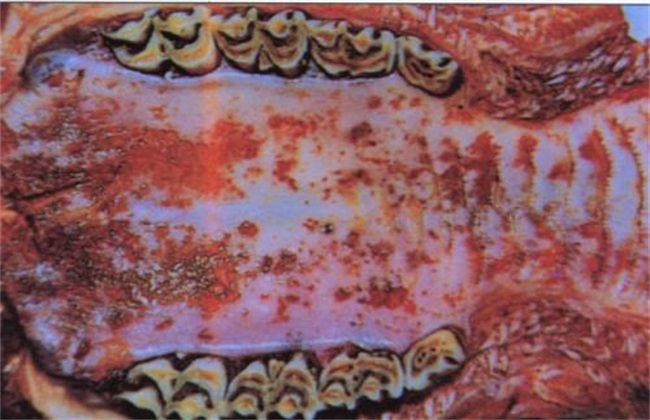
1. Causes of fever
Generally, it is always because disease has occurred and then caused the fever, or because stimulation by a pyrogen has caused the temperature to rise. Broadly speaking, these are bacterial infection sources, leukocyte infection sources, drug-induced causes, and protein-based pyrogens. Nerve damage or hormones can also cause fever. All of the above can lead to fever.
2. Types of fever
Even fever itself has different symptoms. Continuous fever, with a temperature difference between day and night of no more than one degree, may be lobar pneumonia. Continuous fever lasting a long time, but with the day-night temperature difference exceeding one degree, may be septicemia, catarrhal pneumonia, or purulent pneumonia. Fever at one time and no fever at another may be a blood protozoan disease. A long interval without fever may be chronic equine infectious anemia.
3. Recurrent fever
If it is due to a rise in temperature, heatstroke and lack of water can both cause fever. It is generally possible that in summer the temperature keeps rising and lasts a relatively long time, the cattle do not cool down well, and the water supply is also insufficient, so the body's temperature-regulating function becomes disordered. It is recommended to drink plenty of water and bathe to relieve heat. Adding some vitamins to the feed helps strengthen resistance.
4. Points to note
The normal temperature of cattle is 38 to 39, which is the temperature of adult cattle; the temperature of calves is 38.5 to 39.5. The body temperature of young and prime cattle is 38°C to 39.5°C. So it may be necessary to compare against these. Generally, a rise of 1 degree is slight fever, a rise of 2 degrees is moderate fever, and a rise of more than 2 degrees. A body temperature that is too low generally means severe illness. Generally, the temperature regulation ability of calves is much weaker than that of adult cattle.
Fever in cattle generally presents in different ways. The situation can be analyzed according to the specific signs, the approximate cause can be judged, and the time needed for diagnosis can be shortened.