Zinnia Cultivation Methods and Precautions
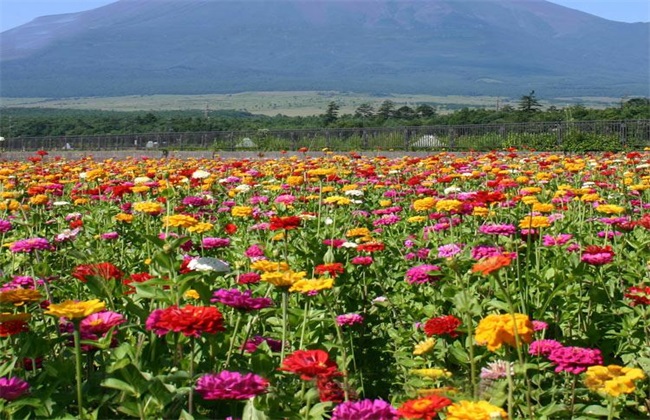
Zinnia is an annual herbaceous plant and a very popular ornamental plant, with great market demand in our country. It has a certain wild area and a relatively wide cultivation area. In addition, zinnia also has certain medicinal value and can be used to treat colds, fever, stomatitis, etc. So how should zinnia be cultivated? Below, the editor brings you the cultivation methods for zinnia. Let's take a look!
1. Propagation Methods
The propagation method for zinnia is mainly seed sowing. The sowing time can be chosen from April to June. Before sowing, the seeds should be disinfected with a solution such as potassium permanganate, and then a substrate should be prepared with leaf mold, river sand and peat, etc. Before sowing, the soil should also be disinfected to eliminate pathogens and pests in the soil. Then moisten the substrate and sow in spots, keeping the temperature at around 22 degrees, and germination can occur in 4 days. During germination, basically no light is needed. After germination, maintain a soil moisture content of about 55%, and it must not be too wet, to avoid root rot.
2. Temperature and Light
Zinnia likes to grow in warm places with sufficient light, and its heat tolerance and cold tolerance are both relatively poor. Apart from doing good shading work during the zinnia seedling stage, sufficient light should be maintained throughout the rest of the growth period. During the growing period, the daytime temperature should be controlled at around 19 degrees, and the nighttime temperature should be maintained at around 15 degrees. In summer, zinnia grows very quickly, so full sun can be used in summer. If there is insufficient light, zinnia will become leggy, its resistance will decline, and flowering will also be affected.
3. Plant Shaping
When planting zinnia, we should also do the pinching work well. If pinching is not done in time, the plant will have too few side branches, and the flowering rate will also decline. Reasonable pinching can dwarf the plant and increase the number of flowers. When the seedlings grow to four true leaves, pinching should be carried out together with transplanting. Promote the growth of branches on the lower part of the plant. About 7 days after transplanting, retain about 4 pairs of true leaves, and then adjust the pinching work according to the plant's growth and branching. After the flowers fade, cut off the withered flower heads to avoid nutrient loss.
4. Water and Fertilizer Management
7 days after the seedlings are transplanted, watering should be done well to keep the soil moist and promote the growth of surface roots. When the roots grow into the deeper soil, topdressing can begin, about three times a week. Control the type of fertilizer according to weather changes. For example, on sunny days, water-soluble fertilizer can be applied, while on rainy days, granular fertilizer can be applied. In addition, calcium fertilizer can be appropriately supplemented once. After each pinching, apply a heavy fertilization once. After entering reproductive growth, the amount of phosphorus and potassium fertilizer applied can be appropriately increased. Increase the flowering rate and improve flower quality, and appropriately reduce the application of nitrogen fertilizer. Then do the watering work well to provide sufficient water for zinnia growth.
The above is a brief introduction to zinnia cultivation methods. That is all for today's introduction. This article is for reference only, and I hope it can help everyone!