Causes and solutions for rotten leaves in Clivia
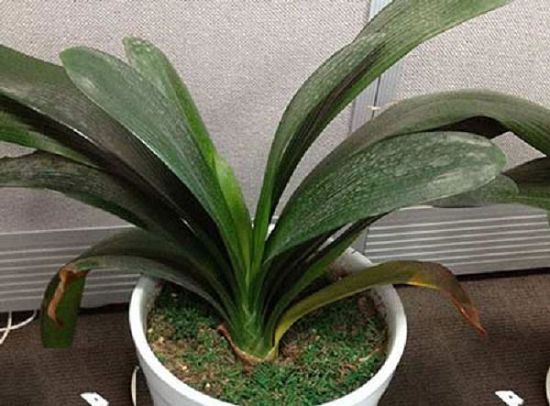
Some flower enthusiasts find that their Clivia leaves have rotted and do not know what to do. Do not worry first; figure out what caused the Clivia leaves to rot so you can treat the root cause. If you handle it blindly, you still will not fundamentally solve the problem of rotten leaves.
Below are several situations that cause Clivia leaves to rot.
1. When Clivia is exposed to strong light for a long time, not only do the leaves become rough and lose their emerald green color, but it is also often prone to sunscald, causing the leaves to suddenly turn yellow and dry up, and in severe cases the entire leaf turns yellow. Therefore, provide shade for two to three hours around noon in summer. Once the leaves have turned yellow, you can cut off the leaves and force new leaves to grow again.
2. If too much fertilizer and water is given and it is too concentrated, if the leaves are not kept clean, or if they are infected by mold, all of these can cause rotten leaves. The leaves begin to rot from the base, the center, or the outside of the leaf, and in severe cases all the leaves rot away in five to six days. Control watering and fertilize appropriately in time so that the potting soil is moist from top to bottom. After discovering rotten leaves, immediately cut away the rotten part, then sprinkle oxytetracycline powder around the rotten leaves for thorough disinfection, and place the plant in a ventilated, light-transmitting spot.
3. When the temperature rises above 25°C, the growth of Clivia is inhibited. If you continue to fertilize, the leaves will become weak and leggy, making the plant unhealthy and even causing root rot and stem rot. Over-fertilizing will cause newly grown leaves to suddenly curl up. Replace the soil or continue watering thoroughly several times to wash away and dilute the concentrated fertilizer.
4. During the plum rain season, excessive humidity, poor ventilation, and hot temperatures will cause the leaf tips to wither and weaken resistance to disease. Use 0.1% carbendazim and thiophanate-methyl for alternating spraying, once every 10 days.
5. Overwatering causes root rot, and the leaves gradually turn yellow and fall off from bottom to top. Dig out the plant, rinse off the soil, cut away the rotten diseased roots, and dry it in the sun for four to five days so the root system shrinks slightly, then repot it. If you often water only the surface, the root system will shrivel and the leaves will also turn yellow and fall off from bottom to top, so water thoroughly in time.
6. Clivia has fleshy roots and a relatively weak ability to absorb water; moreover, its leaves are thick and contain a lot of water. If the potting soil is too wet or too dry for a long time, it will cause water to flow backward, and the leaf tips will gradually turn black and rot, so it is best to keep the potting soil on the dry side. Even more important to note is that, whether the plant is small, medium, or large, pouring water on the leaves in the center, or frequent rain, or water running into the center, will cause the new leaves in the center to rot, and in severe cases the heart will also rot. Therefore, when watering Clivia, do not pour water on the leaves, and especially avoid pouring it into the central leaves.
7. High temperatures, strong sun, little rain, a dry environment, poor ventilation, poor drainage, or applying raw fertilizer will all cause the leaves to scorch yellow or fall off. Use loose, relatively dry soil, apply fully decomposed and fermented dilute fertilizer, and place the plant in a ventilated, cool environment.
8. Unfermented horse manure or meat bones used as a drainage layer at the bottom of the pot are prone to breeding white nematodes, causing the leaves to scorch yellow. Change the potting soil and replant.
9. Yellow spots with a rough, pitted texture appear in the center of the leaves. On the surface it looks like the leaves are infected by disease, but in fact there is a problem with the roots. For example, overly wet potting soil, a stuffy and unventilated place, or applying raw fertilizer or concentrated fertilizer can all produce the above symptoms. If too much fertilizer, too concentrated fertilizer, or raw fertilizer was applied, replace the soil immediately. If the placement is improper, move it to another place and keep the potting soil on the dry side.
10. Due to the activity of mold in the potting soil, spots form on the leaves. Disinfect promptly with formalin. If leaf spots have already appeared, you can wipe the spots with 1000 times oxytetracycline or tobacco stem water soak to control the spread of the leaf spots.