What should be noted when introducing breeding pigs? A detailed explanation of key considerations
Pig farming is the livestock farming with the largest breeding area in our country. When raising pigs, the work of selecting breeding stock is very important, as it directly affects the development of the entire pig herd. And if conditions do not allow for keeping your own breeding stock, then breeding pigs need to be introduced from outside. When introducing breeding pigs from outside, there are many points that require our attention. So what exactly are the considerations? Below, the editor will give everyone a brief introduction. Let's take a look together!
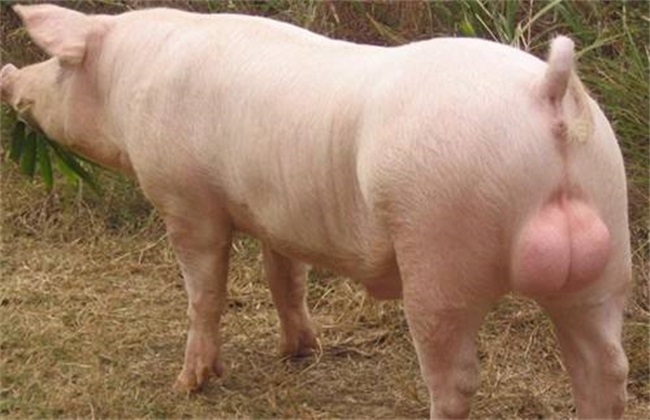
1. Blind introduction
There are very many pig breeds. When introducing breeding stock, no matter what breed of pig it is, each has its own advantages and disadvantages. During production, we should make full use of the advantages of each pig breed, focusing on keeping high-quality breeding stock. Then we can improve pig quality through methods such as crossbreeding. Moreover, when introducing pig breeds, we should also introduce some pig breeds of average quality to reduce early-stage farming costs and reduce economic losses.
2. Introducing low-priced pig breeds
Many pig farmers, in the early stage of farming, due to funding reasons, choose to buy some relatively low-priced pig breeds when purchasing breeding pigs. This causes them to ignore the production performance of the breeding pigs, resulting in a pitifully low farrowing rate. Therefore, when introducing breeding pigs, do not neglect the quality of the breeding pigs just to save money, as this will instead increase economic losses in later-stage farming. The weight of breeding pigs should be controlled at around 50kg, and after introduction they should be managed intensively.
3. Introducing from multiple sources
When introducing breeding pigs, pig farmers choose to introduce from multiple places. Although introducing from multiple sources can increase the farrowing rate of breeding pigs, it can also increase the incidence of disease. This is because each pig farm produces different pathogens, and many pig diseases nowadays are mainly latent infections. If multiple different pig herds are mixed together, it can increase the outbreak rate of disease. So when introducing breeding stock, we should minimize the number of pig farms from which we introduce, and it is best to introduce from just one.
4. Timing of introduction
There is actually some particularity to the timing of introduction. If the timing of introduction is appropriate, only then can the advantages of introduction be maximized, thereby reducing the cost of introduction. We should properly analyze the market for pig production. Based on the changes in pig prices and disease conditions in recent years, combined with the actual situation of our own pig farm, we can choose an appropriate time for introduction.
The above is a brief introduction to the considerations for introducing breeding pigs. In addition to the above, when introducing breeding stock, we should also have a certain brand awareness. The quality of breeding pigs and after-sales service can both be guaranteed. That is all for today's introduction. This article is for reference only, and we hope it can help everyone!