Why Are Water Lily Leaves Turning Yellow? An Analysis of Common Causes
Water lily is a perennial aquatic herbaceous plant with a wide distribution in China. Water lilies have very high ornamental value, and their roots can also absorb toxic substances such as lead and mercury from water, giving them a very strong purifying ability. However, when growing water lilies, we may find that their leaves turn yellow, which affects their ornamental appeal. So why do water lily leaves turn yellow? Let's take a look below!
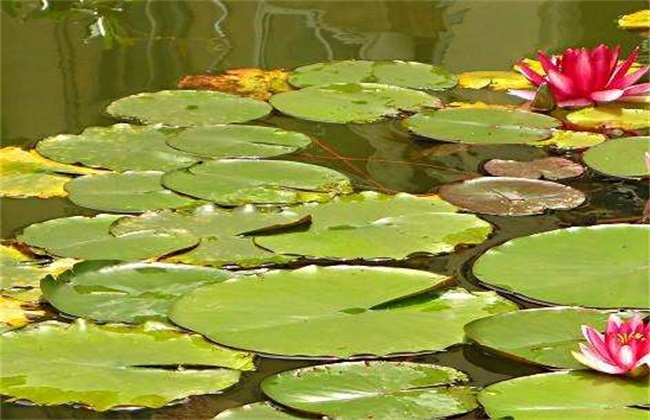
1. Unsuitable Temperature
Water lilies have certain temperature requirements during growth, and their suitable growing temperature is around 25°C. The temperature should not be too high or too low. If the temperature is too low, water lilies will gradually enter a dormant period and stop growing. If the temperature exceeds 40°C, water lilies will show yellowing leaves. Therefore, we should pay attention to controlling the growing temperature of water lilies and keep them warm in winter. In high-temperature summer environments, shade and cooling work should be done well, and appropriately spraying water around the water lily plants can achieve the cooling requirement.
2. Light Reasons
Light is very important for the growth of water lilies. Although water lilies like to grow in environments with sufficient sunlight, if they are exposed to strong sunlight in summer, their leaves can be scorched, and the leaf edges will also turn yellow and scorched. If water lilies grow in a lightless environment for a long time, they cannot carry out photosynthesis, and yellowing will also occur. Therefore, when planting water lilies, we should also pay attention to controlling light. While meeting their light needs, we must also make sure water lilies are not exposed to direct strong light. Only in this way can the branches and leaves of water lilies remain dense and green.
3. Improper Watering
Water lilies have a relatively high demand for water during growth. During the growing period, long-term water shortage or poor water quality are both main causes of yellowing water lily leaves. Therefore, we should pay attention to controlling the watering method. For example, during the growing period, water about once every two days. When the temperature drops in autumn and winter, water about once every 5 days, keeping the soil slightly moist. If grown in flower pots, the soil should be changed promptly once a year to ensure water quality, and severely polluted water must not be used.
4. Improper Fertilization
Water lilies also need certain nutrients during the growing period, so we should also pay attention to appropriate topdressing. If the amount of fertilizer applied is too little for a long time, water lilies will develop yellow leaves due to insufficient nutrients. Therefore, we should pay attention to fertilization work. For example, during the growing period of water lilies, apply a dilute liquid fertilizer about once every two weeks. In autumn and winter, apply a phosphorus-potassium fertilizer about once a month. Note that no matter what kind of fertilizer it is, the amount should be controlled well to avoid excessive fertilization causing fertilizer damage.
The above is a brief introduction to why water lily leaves turn yellow. That is all for today's introduction. This article is for reference only, and we hope it can help everyone!