Quail Brooding Technology: Key Points and Management Methods Explained
Quail is recognized as a high-yield and highly efficient specialty poultry. It has a small body size, matures early, lays many eggs, and has a high feed conversion rate. Moreover, the nutritional value of its eggs and meat is generally higher than that of chicken eggs and meat. The meat is tender and delicious, and it is deeply loved by consumers. For beginners in breeding, brooding technology is extremely important. Let's learn about quail brooding technology together below.
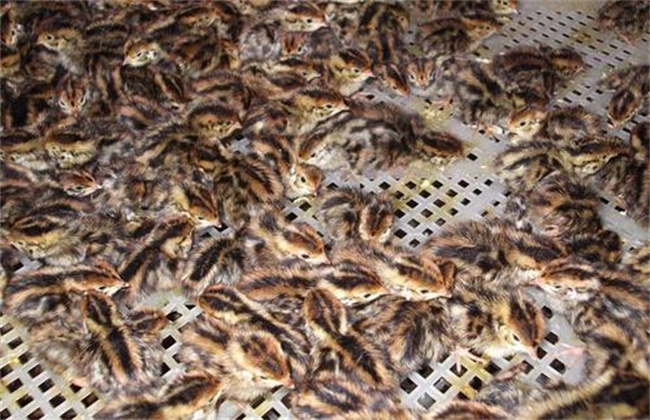
1. Temperature and Humidity
Newly hatched quail have poor body temperature regulation ability. For the first three days, the temperature should be kept at 37-36°C, and from 4-10 days, it should be kept at 35-32°C. After that, the temperature should be lowered by 2-3°C each week until the quail are off heat, and then the temperature should be kept between 22-25°C. In the early brooding stage, because the suitable temperature is high, the quail excrete little, and the room is relatively dry, so water should be sprinkled appropriately on the ground to control the relative humidity at around 60%-65%. As the amount of excrement increases, the humidity will also change. Ventilate promptly every day to remove moisture and keep the humidity at around 55%-60%.
2. Drinking Water and First Feeding
Two hours before the first feeding, quail chicks should be given water with a low concentration of potassium permanganate to disinfect the intestinal tract, and for ~3 days they should drink warm boiled water with an appropriate amount of glucose added. Generally, it is better to start feeding 24 hours after the quail hatch. On the first day, feed them starter feed by sprinkling half-cooked millet mixed with egg yolk onto a feed tray or relatively rough paper. It must never be sprinkled on plastic film, because quail chicks have thin and weak legs and can easily slip on plastic film, and a slight mishap can cause permanent disability. Afterward, begin feeding a mixed feed with a protein content of 28%, and after 4 days of age gradually switch to chick quail feed.
3. Vaccination
Quail chicks have a weak constitution, so various vaccines and preventive medications should be administered in a timely manner. Vaccines should be selected according to local disease prevalence, and it is not advisable to administer two vaccines on the same day. Add an appropriate amount of preventive medication to the feed and drinking water to prevent disease occurrence and allow them to grow and develop safely.
4. Separate Males and Females into Groups
Quail mature early. Some female quail start laying at 35 days of age. If males and females are raised in the same cage, it will not only waste feed but also affect the egg production of the female quail, which is not conducive to raising them. Therefore, at 20 days of age, male quail can be selected out according to their calls and whether the feather color under the neck is red, and raised separately for fattening and sale. For quail intended for breeding, keep them at a male-to-female ratio of 1:3.
The above is an introduction to quail brooding technology. We hope it can help you. If you want to learn more related knowledge, please follow us.