Detailed Explanation of Key Techniques for Beef Cattle Fattening in Autumn
Autumn has now arrived, forage grass is relatively abundant, and the temperature is fairly suitable, making this the best period for raising and fattening cattle. At this time, how should you feed them, how should you complete the fattening work, and pay attention to some minor issues during the period. Feed according to the growth patterns of beef cattle in autumn. Let us take a look below at how to fatten cattle in autumn.
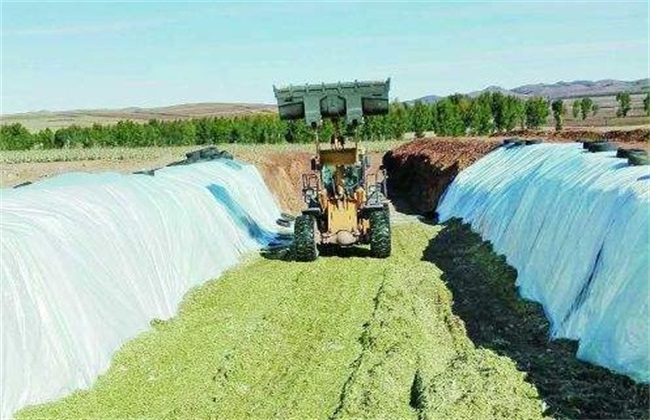
1. Feed Storage
Use forage grass, straw, and rice straw, processed into roughage through silage, microbial storage, and ammoniation. The main energy feed is corn. The protein feed is soybean cake, which has relatively good nutrition. Silage can keep the feed succulent and improve palatability. For microbial storage, a high-efficiency active fermentation agent needs to be added for anaerobic fermentation. This makes the silage effect better. What needs ammoniation is rice straw, straw, and the like; after treatment, the texture is soft and it has a fragrant smell. However, after ammoniation, ammonia release treatment is needed to avoid poisoning.
2. Ventilation Management
They can still grow between 5 degrees and zero degrees. Many people think it is still better to keep warm, and the cattle sheds they build are very enclosed with good insulation, but it is not easy to discharge moisture, and when humidity is too high, cattle growth slows down. Therefore, the cattle shed must be ventilated; do not rush to keep it warm. When building, ventilation facilities must be complete. Also, cattle need to receive light. Grazing on sunny days means they will not come out to move around after winter begins, making them prone to illness; ventilation can help avoid disease.
3. Feed Acidity
The best acidity of the feed is 5.0. Fermentation will inevitably produce acid, and if the acidity is too high, it is bad for digestion and causes irritation and damage to the digestive system. It also affects the teeth. Generally, adding a small amount of urea can solve the problem. Sometimes when the acidity is too high, a scorched-hair appearance occurs, and feeding concentrated feed with added baking soda is better.
4. Precautions
Generally, livestock cannot eat grass with dew on it; it is bad for the body, nutrients cannot be absorbed, and it easily causes food retention and bloating. Corn cobs have a sweet taste, and cattle like to eat them, but after eating they are not digested, produce toxic substances, and easily cause bloating. When walking in the wild, cattle hooves need to be managed carefully, as they are prone to disease. Plant forage grass suitable for cattle to eat in the pasture. In the early autumn, as long as it does not rain, grazing should be carried out, and fattening should be done promptly.
The key period for beef cattle fattening is autumn, but preparation must also be made for the transition to winter. Feed needs to be stored. Management must also be done well to improve feed quality.