A Complete Analysis of Disinfection Methods and Precautions for Quail Farms
The pollution source of a quail farm is generally the manure produced during the breeding process. The manure contains a large number of viruses and microorganisms, and is also a transmission platform for bacteria and viruses. It may cause infection with various diseases, affect the growth of quails, reduce feed utilization, and lower breeding efficiency. Therefore, effective disinfection and sterilization to cut off the source of infection is an indispensable part of the breeding process. So how should a quail farm be disinfected? Let's take a look.
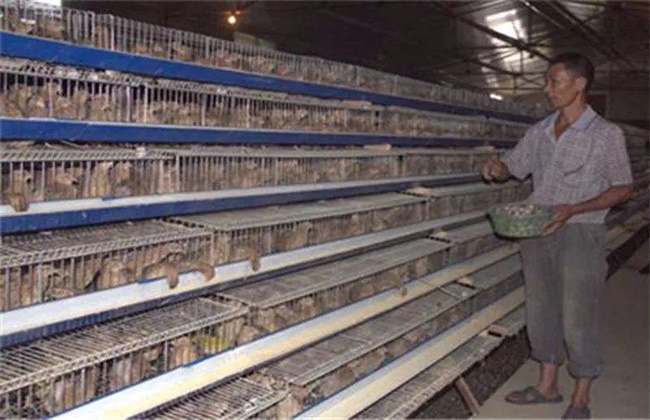
I. Disinfection Methods for Quail Farms
1. Chemical disinfection method
When using chemical agents for disinfection in a quail farm, the principle of three firsts and three afters should be followed: disinfect the feed transport roads first, then disinfect the roads used by manure-cleaning vehicles; disinfect the young quail houses first, then disinfect the laying quail houses; disinfect the breeding houses first, then disinfect the commercial houses. In addition, while considering the cost of disinfectants, you should also use disinfectants suitable for the farm and use them alternately. This not only achieves the disinfection effect but also reduces disinfection costs, while avoiding the development of drug resistance and extending the service time of a single disinfectant. Before disinfection, first clean and rinse to prevent the presence of organic matter, and then carry out liquid disinfectant application.
2. Physical disinfection
Physical disinfection mainly relies on two methods, ultraviolet light and ventilation, to kill and reduce the number of pathogenic microorganisms in the air, thereby achieving the purpose of disinfection and lowering the incidence of disease.
3. Biological disinfection method
This is a disinfection method that uses the high heat generated during the growth and reproduction of thermophilic microorganisms to kill or remove pathogenic microorganisms. The quail manure is piled up so that the temperature inside reaches as high as 70 degrees, thereby killing viruses, bacteria, and parasite eggs in the manure.
II. Disinfection Precautions
First, during disinfection, operators should wear masks, goggles, and protective clothing to prevent the disinfectant liquid from damaging the skin and mucous membranes; then pay attention to the concentration of the disinfectant liquid. Generally, concentration is directly proportional to the disinfection effect. The higher the concentration, the stronger the disinfection effect, but the higher the concentration, the greater the harm to the quails themselves. Therefore, a safe and effective concentration should be selected according to the purpose and target of disinfection, and the dosage concentration must not be arbitrarily increased. In addition, pay attention to the dosage of the disinfectant, environmental temperature and humidity, and pH, as these factors all directly affect the disinfection effect.
The above is an introduction to the disinfection methods and precautions for quail farms. We hope it can help you. To learn more related knowledge, please stay tuned to us.