The correct method and precautions for repotting a kalanchoe
When growing a kalanchoe, the size of the original pot will limit the plant's growth, and at that point it needs to be repotted so the plant can continue to grow. However, when repotting, you must also pay attention to the timing and the method, otherwise the plant may die after repotting. Below, let's take a look at the kalanchoe repotting method and precautions.
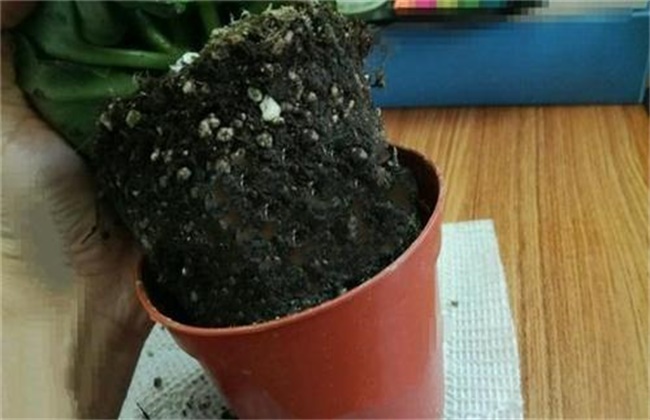
1. Repotting time
Repotting time is also one of the precautions for repotting a kalanchoe. A kalanchoe cannot be repotted at just any time; it is best to repot it in spring or autumn, that is, in spring from March to May or in autumn in October, which are the two periods with the highest survival rate for repotting. Never repot in summer or winter; these two seasons, one with high temperatures and one with low temperatures, are both periods when kalanchoe growth stalls, and repotting at this time is not good for survival.
2. Proper pruning
Kalanchoes grow vigorously, so when repotting they need proper pruning. Promptly cut off dead branches, diseased and pest-infested branches, and useless growing branches on the stems. This encourages the plant to concentrate its nutrients. In addition, the root system should also be trimmed, removing part of the soil and cutting off the rotten and dead roots around the root ball to ensure the survival rate of the root system.
3. Disinfection treatment
After pruning the branches, leaves and roots, it is time to start repotting. The newly chosen flower pot must be thoroughly disinfected, especially after root pruning, to prevent pathogens from entering through the wounds. Mainly spray carbendazim or potassium permanganate solution for disinfection. The roots and soil being repotted should also be properly disinfected to help the roots grow, so they adapt to the new pot as soon as possible and produce more brilliant flowers.
4. Shade and keep moist
After each repotting, a kalanchoe should not be exposed to light immediately. Wait until the roots have adapted to the new soil and pot and new buds or true leaves have grown, then place it in an environment with sufficient light for care. At the same time, water it thoroughly once promptly and keep the soil moist often; during the rainy season, do a good job of drainage and waterlogging prevention. But if it is placed in sunlight immediately after repotting, it will lose water, and the roots will be unable to replenish enough water, and it will eventually dry up and die.
The above is an introduction to the kalanchoe repotting method and precautions. We hope it helps you. If you want to learn more related knowledge, please follow us.