Causes of Drooping Leaves on the Lantern Flower and How to Remedy Them
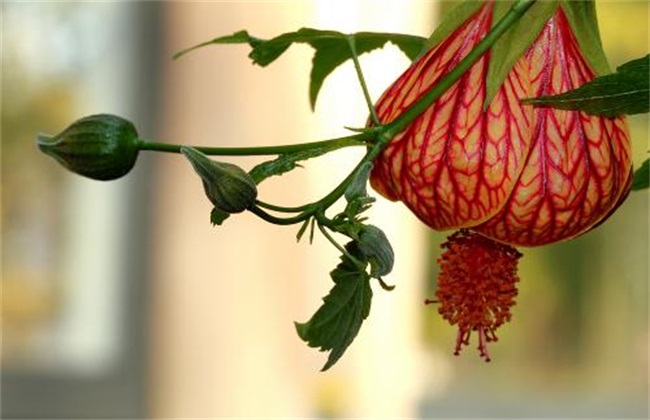
The lantern flower, also known as the golden bell flower, is a very common flowering plant. Growing the lantern flower is relatively simple; as long as you maintain suitable water, fertilizer, and light, it will produce vivid blooms. The lantern flower also has certain medicinal value, as its leaves and flowers have the effect of promoting blood circulation and removing blood stasis. However, during cultivation, the leaves of the lantern flower often wilt. So what causes this? And how should it be remedied? Let's take a look below!
1. Light
Although the lantern flower can grow in a semi-shaded environment, there is a certain limit to how long this is tolerable. During growth, the lantern flower actually needs a certain amount of light. If light is insufficient, it will affect the lantern flower's photosynthesis, leading to insufficient nutrient accumulation. The leaves of the lantern flower will also show wilting symptoms due to nutrient deficiency. Therefore, if light is insufficient, we should promptly provide light for the lantern flower. Especially when the leaves begin to wither, if there is no natural light, artificial supplemental lighting should also be used.
2. Nutrients
The lantern flower also has a relatively large demand for nutrients during its growth process. Among these, nutrients are also indispensable, and the source of these nutrients is produced through the lantern flower's photosynthesis. Furthermore, if fertilizer is not applied in time during cultivation to provide nutrients for the lantern flower, then insufficient nutrients will cause the leaves to wither. So for this reason, we must pay attention to doing a good job with water and fertilizer, and control the amount of fertilizer well; it should not be too little, but it should not be too much either. If the wilting is due to a lack of nutrients, then applying an appropriate amount of fertilizer will quickly restore it to normal.
3. Temperature
The lantern flower also has certain temperature requirements. Especially during high temperatures in summer, the leaves of the lantern flower are very prone to wilting. This is because the lantern flower is not suited to growing in a high-temperature environment; if the temperature is too high and the humidity is insufficient, then the leaves will inevitably wither. Therefore, during hot weather, we should pay attention to cooling the lantern flower and do a good job of shading and sun protection. Then, appropriately spraying water on the leaves and soil to increase humidity can also achieve the purpose of cooling. After a period of time, the leaves of the lantern flower will gradually return to normal.
4. Environment
Although the lantern flower has strong adaptability and can grow in various environments, if the environment is too harsh, the impact on the lantern flower's growth will also be very great. For example, if it is subjected to strong winds or rain erosion, then various problems will appear, and leaf wilting is one of them. Therefore, when planting, we should observe weather changes well and take preventive measures. Before wind and rain arrive, set up rain-shelter facilities. If pests and diseases occur, then promptly apply the right treatment to eliminate pests, diseases, and pathogens, reducing the harm caused by pests and diseases.
The above is a brief introduction to the causes of wilting leaves on the lantern flower and the remedies. That's all for today's introduction. This article is for reference only, and we hope it can help everyone!