How to Repot a Gardenia and Precautions for Repotting a Gardenia
If you grow gardenias in pots, repotting is a must. When the plant outgrows its current pot, the growth of its root system will be restricted, and the plant's growth and flowering will also be affected. So how do you repot it, and what should you pay attention to when repotting? Let's take a look together!
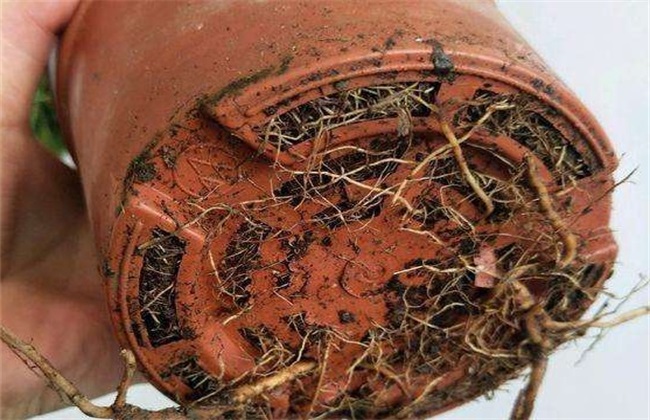
1. Removing the Root Ball
Tilt the pot and tap around its sides with moderate force so the soil separates from the pot all the way around, including the bottom. If the soil feels loose, set the pot upright, hold the base of the stem and lift gently. If it comes up easily, take the whole plant out; if not, keep tapping, trying to damage the roots as little as possible. After removing it, check for rotten roots and prune away any dry, rotten or blackened roots. Do not break up the soil ball.
2. Preparing for Repotting
Prepare a larger pot, wash and disinfect it, and let it dry. Place large, clean pieces of broken tile inside, spread a layer of clean coarse sand, and fill with a prepared nutrient soil. The soil needs to be disinfected, ideally sun-dried. Fill the pot one-third full with soil, then place the gardenia's root ball inside. Keep adding nutrient soil until the soil ball is completely covered, leaving about 2 cm from the rim of the pot. Water evenly; once water flows out of the drainage holes at the bottom, that is enough.
3. Care and Maintenance
After repotting, the roots will gradually spread as you water, giving them more room to grow. However, care is important. For one week after repotting, mist once or twice a day, but do not water directly; too much moisture makes waterlogging and root rot likely. For now, keep the plant in a spot with indirect light, and return to normal care after one week.
4. Precautions
Do not repot in summer, and do not repot in April during the plum rain season. Do not repot while the plant is flowering, and do not start once flower buds have formed. Once the plant has grown stable, stop repotting and only replace the potting soil. The new soil added after repotting is best the same as the original soil, so the plant adapts more easily. It is best to change the soil in early spring. After changing the soil, keep the plant warm and do not care for it at low temperatures.
That is all on how to repot a gardenia. You can follow these steps, or combine them with your own experience and ask others for advice.