How to save a money tree with root rot? Teach you the correct way to handle it
The money tree (Zamioculcas zamiifolia) is a perennial, evergreen foliage plant, commonly grown indoors, and you can often see people growing it in many places. If a money tree develops root rot, what is the cause? We must find the cause in order to solve this problem. So next, let's look at the common causes, and how to help it recover when root rot occurs.
1. Waterlogging, lack of water
The money tree itself likes a moist environment, but it cannot be too wet or waterlogged. It may be that too much water was given at once, or the container it is grown in has poor air permeability and drainage, so even slightly more water easily makes it too wet. But if the soil is too dry and you do not water, it becomes drought-stricken and compacted. Both of these will cause the roots to be unable to breathe, resulting in root rot.
2. Fertilizer burn, low temperature
If the fertilizer concentration is wrong when fertilizing, or too much fertilizer is applied at once, the concentration of the soil solution suddenly rises. The roots get burned and gradually rot away; if you water, they rot even faster. Low temperature in winter is a common cause of root rot; when the above-ground part of the plant freezes, the underground part will soon freeze too, and root rot gradually begins.
3. Pathogen damage
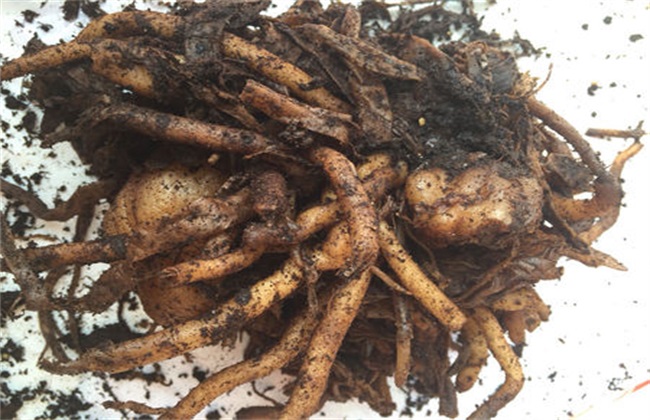
If it accidentally becomes infected with pathogens, it may be because the water source used for watering is not clean, or because when it is outdoors, rain spreads the pathogens and causes infection. After infection, the roots are very likely to rot, only much faster. Some may have a rotten odor. Pathogen infection requires changing the soil, disinfecting, and pruning the roots. Replant it, and then see whether it can resume growth.
4. Remedies
If it is grown in a porcelain container, watering once a month is enough; in hot weather, water once every half a month. If grown in a clay pot, you can water once every one to two weeks. Keep it slightly moist. Fertilize once every two months; if growth is normal, you do not need to fertilize. In winter, it must be cared for indoors. After root rot, take out the plant, change the soil, prune the rotten roots, soak them in a fungicide, and after drying, it can be planted.
For money tree root rot, there are the above major causes. Generally, when a problem appears, first determine the cause, then seek a solution. Improve the situation, see whether it can be saved, and avoid the plant dying.