What are some practical measures to reduce layer feed costs?
Raising chickens is a very common poultry farming project in China, and the scale of layer farming is also relatively large. When raising chickens, feed costs are relatively high, generally accounting for about 65% of the total farming cost. If feed is wasted, farming costs will increase. Therefore, reducing feed costs in chicken farming is the key to improving farming efficiency, so how can feed costs be reduced? Let's take a look below!
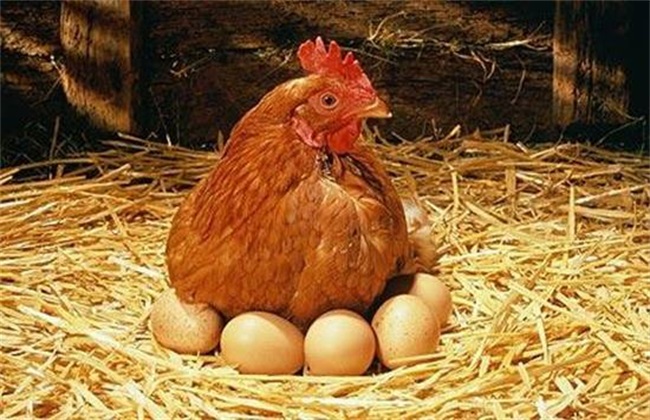
1. High-yield chicken breeds
When raising layers, the choice of chicken breed is very important. Under the same farming environment and conditions, the output of high-yield breeds is definitely higher than that of ordinary breeds. For chickens with low production performance, because production performance is affected by production potential, output cannot be greatly improved. Even if feed with a high nutritional level is provided, its effect cannot be fully brought into play, and the ratio of feed to egg production is unbalanced, causing feed waste. Therefore, raising high-yield breeds is a key measure to reduce feed costs.
2. Complete-price feed
When raising broilers, if you want to reduce feed costs, the choice of feed is very important. If the nutritional ratio of the feed is unbalanced or disproportionate, especially if the crude protein level is not high, then the utilization and conversion rate of the feed will definitely decrease, leading to waste. Therefore, when raising chickens, we should combine some high-quality feed according to the local market and the actual situation of the flock, prepare feed suitable for layer growth, and feed complete-price feed. This ensures that layers can grow healthily, improves feed utilization, and reduces feed costs.
3. Feeding methods
When feeding, note that dry powder feed should not be too fine, otherwise it is easy to scatter and cause waste. When feeding wet mixed feed, follow the principle of mixing and feeding on the spot, and it should not be stored for too long. Especially in summer, because the temperature is relatively high, wet mixed feed is easy to spoil and turn sour, while in winter it is easy to freeze. When feeding, feed small amounts more frequently, follow the principle of fixed time and fixed quantity, and feed in batches to ensure that no residue remains in the trough after eating. Each time feed is added, keep it at most half of the trough. Avoid feed being thrown out when chickens eat, causing feed waste.
4. Feed storage
If you want to reduce feed costs, then feed storage is also very important. If the feed storage area is humid, the feed is very easy to deteriorate and become moldy, and if the temperature is too high, insect pests are very likely to appear, making the feed unusable. Moreover, if the feed is exposed to direct sunlight, it will cause the loss of nutrients such as vitamins in the feed and reduce feed quality. Therefore, whether it is self-prepared feed or purchased feed, storage work must be done well. The amount of feed stored each time should not be too much, and the storage time should be kept at about half a month. If it is hot and humid, it must not exceed 10 days. The feed should be kept at a certain distance from the ground, the ventilation capacity of the warehouse should be improved, it should be kept dry, and direct sunlight should be avoided.
The above is a brief introduction to how to reduce layer feed costs. That is all for today's introduction. This article is for reference only, and I hope it can help everyone!