A Detailed Guide to Making Cattle Silage
When raising cattle, everyone knows that you need to feed them grass, grain feed, hay, succulent feed, and the like. In fact, silage is also a very suitable feed for raising cattle. It suits the northern regions where crops grow one season a year, where there is no fresh grass to feed in autumn and winter, so silage must be made in summer, stored, and then fed later. So what exactly is the specific method for making this silage? We need to look into it further.
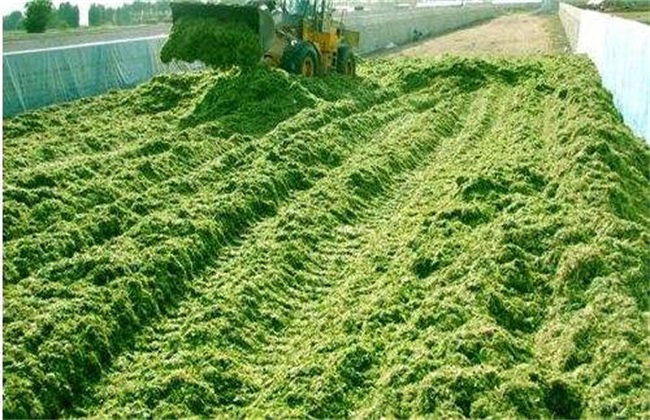
1. Making method
Take succulent grass or green feed, wash it clean, dry it in the sun, chop it up, add additives, and pack it into bags and press it down firmly. Let it ferment in a closed, oxygen-free environment. During this time, prevent spoilage bacteria from causing trouble. After fermentation is complete, it can be stored long-term. This is also a kind of roughage. But it is relatively soft and tastes good, so cattle like eating it. You can also crush straw, ammoniate it, and store it.
2. Types of silage
There are three types of silage. The first is chopped grass that is pressed down and sealed, so lactic acid bacteria multiply and the feed's starch is turned into lactic acid, which controls spoilage and preserves nutrients. The second is choosing raw materials with less moisture and keeping them dry, so they will not ferment and the nutrients can be preserved. The third is additive treatment, adding additives and enzyme preparations that promote fermentation, mainly to promote the multiplication of lactic acid bacteria. Or add antibacterial agents to stop spoilage bacteria from growing.
3. Common raw materials
The most common materials used to make silage are the leaves of grasses: green corn leaves, ryegrass, and green sorghum leaves; legumes such as alfalfa, Chinese milk vetch, and clover; and others such as pumpkin, sweet potato, white sweet potato, cassava, amaranth, and also water plants, some semi-aquatic plants that grow in paddy fields. Choose plants with moderate moisture, high sugar content, high carbohydrate content, and low protein. This makes it easy for lactic acid bacteria to grow.
4. Points to note
Cattle should be allowed to gradually adapt to silage; do not feed too much at the start. When taking it out, be careful to seal it again in time and reduce contact with air. This prevents spoilage bacteria from growing. At the beginning of ensiling, there is a lot of carbon dioxide in the environment, so be careful when entering. Silage should not be fed too much; feed it reasonably. During production, it must be sealed and airtight to avoid rotting.
Silage is suitable for animals that need to ruminate, and it is very suitable for feeding cattle, but in areas with the right conditions, this method does not have to be used. Making it in large quantities is somewhat troublesome, and management also requires care.