Master the key points of broiler chicken rearing management, and raising broilers becomes easy
Chicken is a very popular meat product, and there is also a large scale of farming in our country. The current market demand for broilers is also very large, but many people do not achieve very good farming benefits when raising broilers. In fact, when we raise broilers, if we want to improve farming benefits, then we should start with broiler chicks. So today the editor brings you the key points of broiler chicken rearing management. Let's take a look!
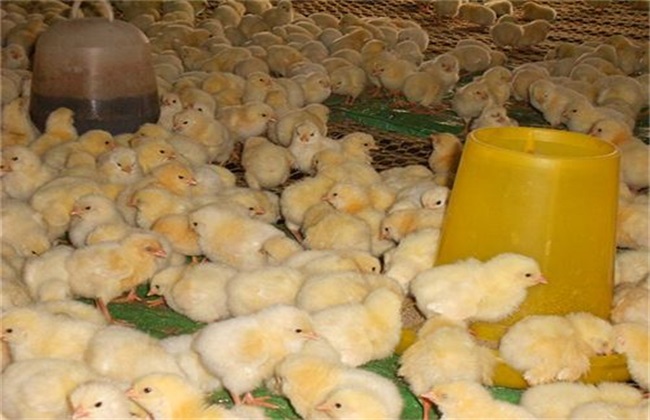
1. Temperature
When raising broiler chicks, temperature should first be controlled well, and the temperature should be similar to that when raising laying hens. About 3 days after the chicks arrive, the temperature should be controlled at around 33 degrees. Then lower the temperature appropriately as time goes on, generally lowering it by about 3 degrees every week. When the temperature drops to around 21 degrees, stop the cooling work. Temperature control should be carried out according to the condition of the chickens, ensuring the chickens do not open their mouths or huddle together.
2. Density
Broiler chicks grow relatively fast, so when raising broiler chicks, we should also pay attention to controlling the rearing density well. The flock should be spread out in time to ensure each chicken can eat and drink normally, creating a good environment for the rapid growth of broilers. The rearing density should not be too high, and each chicken should be ensured sufficient growth space. Then broiler chicks should be fed a complete-price feed, and some vitamins should be appropriately supplemented in the drinking water, which can improve the stress resistance of broiler chicks.
3. Lighting
In the first three days after the chicks arrive, it is best to provide broiler chicks with all-day lighting time. This helps broiler chicks get through the early stage. Then starting from the fourth day, the lights can be turned off at around 12 o'clock every night, and the lights should also be turned off for about one hour in the middle of the day. However, it is also possible to feed normally during the day, then turn on the lights when feeding every night, letting the chickens develop a weight-gain cycle of eating and resting, enhancing the growth ability of broiler chicks.
4. Chicken house disinfection
In fact, before broiler chicks enter and exit, we should also do a good job of disinfection. Thoroughly disinfect the walls, floor, and other parts inside the house. The disinfection method should mainly be fumigation disinfection. Before fumigation disinfection, the chicken house should be sealed, and then disinfectants such as Dex and other agents should be used for fumigation. Traditional fumigation disinfection methods such as formaldehyde and potassium permanganate can also be used for disinfection. After disinfection, the chicken house should be sealed for one day, then windows should be opened for ventilation.
The above is a brief introduction to the key points of broiler chicken rearing management. When raising them, we should also pay attention to doing a good job of ventilating the chicken house and injecting the chickens for immunization, ensuring the normal growth of broiler chicks. That is all for today's introduction. This article is for reference only, and I hope it can help everyone!