What are the methods for high-yield toad farming?
The toad is also called "hama", commonly known in rural areas as "laihama" (wart toad). In China, the two main species distributed are the black-spectacled toad (Duttaphrynus melanostictus) and the Chinese toad (Bufo gargarizans). From the toad's body, toad venom (chansu) can be extracted, and it can also shed its toad skin (chanyi). Both of these are scarce medicinal materials, so people began farming toads to obtain what they need. How to achieve high yields in toad farming is also a major point in breeding. Now let's learn about high-yield farming techniques together.
1. Breeding stock
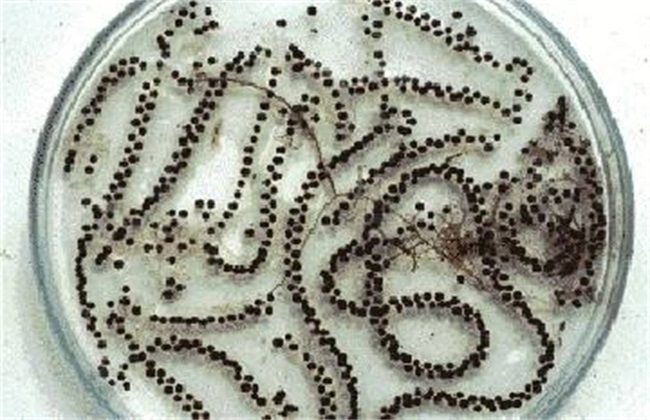
For toad breeding stock, you can directly catch toads in the wild or collect toad egg masses to cultivate, or you can buy them from other farmers. Collecting egg masses in the wild should be done between May and August. The collected egg masses will hatch after a few days in water at around 20°C. Generally, hatching can occur at temperatures above 10°C. As wild resources are decreasing, it is best to purchase them.
2. Farming preparation
Build a farm by a pond, with ditches, overgrown weeds, clean water sources, and places where water dropwort grows - these are very suitable for farming. The farm must have fencing around it to prevent other animals from entering. Place the toad egg masses in a water pool to hatch into tadpoles. Grow aquatic plants in the pool. Prepare an empty room to raise some yellow mealworms (Tenebrio molitor) as feed.
3. Stocking
After catching wild toads, and after spawning and hatching, you can stock them. About 2000 tadpoles per square meter of water pool, reduced to 1000 after three weeks, and then raised separately according to growth stages. As they grow, gradually reduce the stocking number in each pool. Raise tadpoles and small toads separately. Raise the same batch of toads together.
4. Feeding methods
Newly hatched toads should be fed after three days. Generally, feed them crushed cooked egg yolk, twice a day is enough - do not feed too many times. After tadpoles become toads, you can feed them fly maggots, yellow mealworms and similar feed. Adult large toads eat more; besides insects, they also need to be fed soybean cake, fish meal and other easily filling feed.
Toad farming is relatively easier than other aquatic fish farming, with few diseases and strong adaptability. But you must pay attention to key issues such as feeding and spawning. You cannot manage it casually and extensively.