How to Grow Fuchsia? Detailed Guide to Cultivation Methods and Precautions
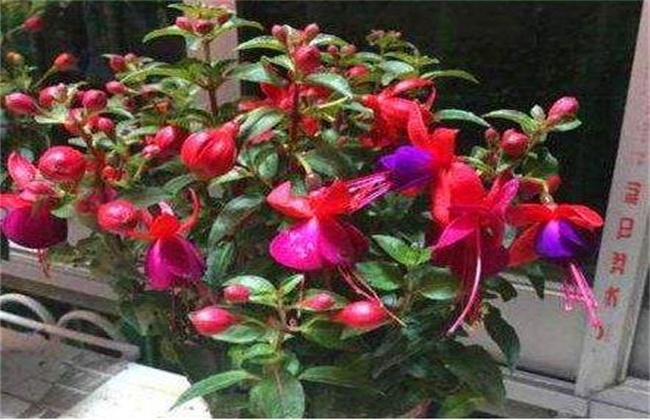
Fuchsia, also known as lady's eardrops or lantern fuchsia, has slender flower stalks and nodding blooms. When in flower, it looks like a series of hanging, inverted colorful lanterns or golden bells. With brilliant colors, a long blooming period and extremely high ornamental value, how should fuchsia be grown? Join us to learn more.
1. Soil Selection
For growing fuchsia, generally choose loose, well-draining, fertile soil, or mix your own potting soil using one part each of sandy garden soil, leaf mold and farmyard manure. Every spring, when the plant enters its peak growing season, it needs repotting and soil replacement: remove part of the old soil, prune away some old roots, and switch to a slightly larger pot according to the size of the plant. Be sure the soil is loose and well-draining; once water accumulates in the pot, the plant is highly prone to root rot and death.
2. Light and Temperature Requirements
Fuchsia prefers a semi-shaded environment, so it needs different light exposure in different seasons. In summer and autumn, the light is strong, so provide appropriate shade to avoid yellowing of the leaves caused by excessive light. In winter and spring, the light is weaker and the photoperiod is shorter, so full sunlight is needed. In summer, take cooling measures; the suitable temperature for fuchsia is 15-25°C, and in winter it should be kept above 10°C. Below 5°C it may decline, and when the temperature drops below 10°C in autumn, it should be moved indoors for care.
3. Fertilizer and Water Management
Fuchsia is fond of fertilizer. During the growing season, apply a diluted liquid fertilizer once a week, mainly nitrogen and phosphorus, or apply a 10%-15% cake fertilizer solution once. If nutrients are insufficient, it may fail to bloom, or it may be difficult for it to bloom again after one flowering. In addition, pay attention to watering. During the growing season, keep the potting soil moist, following the principle of watering when dry and letting it dry between waterings. During the blooming period, if the potting soil is too dry, it can cause bud drop, flower drop or leaf drop. If the potting soil is wet for a long time, it can also lead to root rot and yellow leaves, and may even kill the plant. In winter, control watering and stop fertilizing to prevent root rot. After each fertilization and watering, loosen the soil to let it breathe.
4. Precautions
During the growth of fuchsia, it needs to go through several repottings from a small pot to a medium pot and then to a large pot. This is because fuchsia keeps growing larger, and a pot that is too small will restrict root growth, so repotting is needed every spring or autumn. During care, change its position frequently so it receives even light. Leaving it in the same position for a long time will ruin its plant shape and affect its appearance. When the branches of fuchsia droop, pinch back and shape it promptly, which can promote branching and is also very beneficial for future growth. In summer, when the weather is hot and the light is intense, provide shade to avoid scorching the leaves and causing them to dry out and turn yellow.
The above is an introduction to the cultivation methods and precautions for fuchsia. We hope it helps you. For more related knowledge, please stay tuned to us.