How to Propagate New Bulbs from Hyacinths
Hyacinth is a perennial bulbous flowering plant, widely used in horticulture, with an extremely large number of cultivated varieties. It blooms beautifully, is easy to grow, and is very popular. Planting a hyacinth usually just means planting a single bulb directly, but what methods are generally relied upon for propagation? Below, the relevant propagation methods will be introduced.
1. Bulb Division Propagation
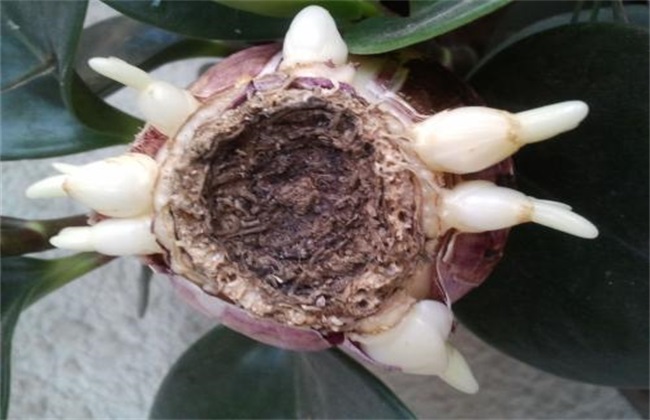
Hyacinth bulb division propagation is generally done in August when flower buds are forming: take the bulb, evenly scoop out a portion at the bottom of the basal plate, then cut a slit from bottom to top at the wound, and make another horizontal cut. Forming a cross shape, the wound should reach the bud core; disinfect the wound with 0.1% mercury solution, remove the oozing mucus, then sun-dry for one day, bring back indoors, and maintain a temperature of 20 degrees; after the base swells, maintain 30 degrees with humidity above 80%. After a few months, small bulbs will grow, and after several years of cultivation they will bloom.
2. Seed Propagation
Seed sowing propagation is not very common, but it is also necessary for seed production, or to maintain stable heredity. Seeds are generally planted in autumn, but germination takes a long time, possibly due to low winter temperatures, and ultimately they grow for more than three years, taking four to five years to bloom. Seedling propagation grows much more slowly.
3. Points to Note
Generally, after being planted for a long time, a hyacinth will only produce a few small bulblets, so the bulb division propagation method needs to be used. For hydroponically grown hyacinths, you can directly see small bulbs growing; once they grow, they can be separated and planted, but for soil-grown ones, after the flowers fade, take them out to observe, and if there are attached bulblets, separate them for cultivation. Generally, daughter bulbs grow somewhat slowly. Cultivation requires enough growing space; careful fertilization and watering maintenance can bring earlier blooming.
4. Cultivation Methods
If you choose soil cultivation, you need to prepare growing soil; generally use river sand, plant ash, and humus soil mixed together as the planting soil. You can test the soil's acidity and alkalinity, and you need to prepare slightly alkaline soil for planting. Adding river sand increases permeability, provides good drainage, and makes growth easy. Hydroponic hyacinths are relatively simple: use a narrow-mouthed container, cultivate directly in clean water, and just change the water frequently.
Hyacinths naturally produce daughter bulbs very slowly, but after artificial treatment, they easily grow bulbs and can quickly be divided and planted. However, seed production requires seed propagation to maintain genetic stability. Hydroponic cultivation is easier to manage than soil cultivation.