Detailed Explanation of Key Technical Points for High-Yield Dairy Goat Farming
Dairy goats are a type of goat with a long lactation period and high milk output, mainly raised for the production of goat milk products. Dairy goats are not large in size and have a wide feeding range, so they are relatively convenient to manage in farming. It can be said to be a money-making approach with low investment but quick returns. There are some technical points to pay attention to when raising dairy goats. Let's learn about them together below.
1. Breed selection
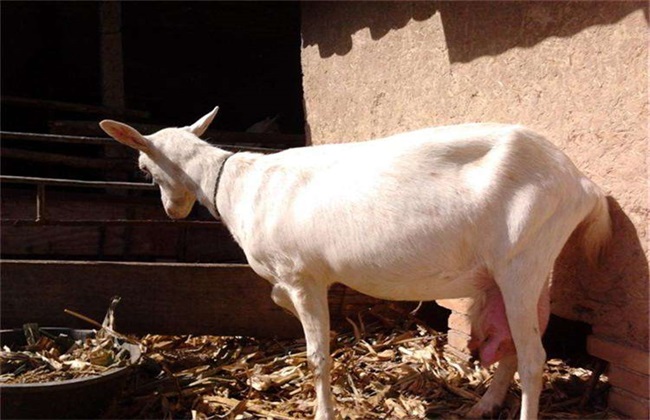
Different breeds of dairy goats have different individual characteristics and different milk yields. When buying breeding goats before farming, it is best to choose dairy goats such as Saanen dairy goats. You need to choose goats with a long head, long neck, and long legs. Generally, goats that are robust and slightly larger have strong adaptability. Visually, choosing agile and spirited goats means they have a very good physique. However, you should consider whether they are suited to your local environment.
2. Feeding young goats
Newborn kids drink breast milk to boost immunity and supplement nutrition. Generally, they are fed breast milk four times a day. At two to three months of age, forage can be added to the breast milk for feeding. A small amount of salt, bone broth, and other nutritional feed should also be added and fed together. Kids over three months old can go graze on their own, with a small amount of milk feeding. At four months they are weaned, mainly eating grass with a small amount of concentrated feed, and no more milk.
3. Feeding ewes
Goats that have started producing milk are mainly fed green grass, or grazed to forage. One month after giving birth, the ewe's milk yield increases, so nutrient supply needs to be increased. Feed more green grass and succulent feed, such as carrots, sweet potatoes, and similar feed. If there is a lack of nutrition and the ewe becomes thin, concentrated feed should be increased. If lactation declines, concentrated feed should be reduced. During the feeding process, ensure feeding and drinking water, as well as salt supply.
4. Milking and drying off
Goats with more lactation are milked more times, and those with less are milked fewer times. Generally, a goat producing 6 jin of milk per day is milked twice, and one producing 10 jin per day is milked three times. Lactation lasts about 10 months, after which milk volume declines and the ewe can be stopped from lactating. Reduce concentrated feed and feed less green feed, mainly feeding dry feed, reduce drinking water, and milk less. It will gradually stop lactating and enter the recovery period.
Dairy goat farming mainly involves choosing good breeding goats, maintaining nutritional feeding from a young age, and increasing nutrition and adjusting the feeding structure for lactating ewes. Finally, it is important to dry off promptly when lactation declines to help the body recover.