Dairy Cattle Farming Technical Problems and Solutions
Dairy cattle are the primary milk-producing cows, and the main dairy breed is the Holstein, a breed developed through long-term selective breeding. Dairy cattle are raised in many parts of China, and the scale of farming is very large, but in some places there are farming problems, where certain practices are mistakenly believed to be correct when in fact they are incorrect. Let's take a look at these problems together below.
1. Adding more salt to produce more milk
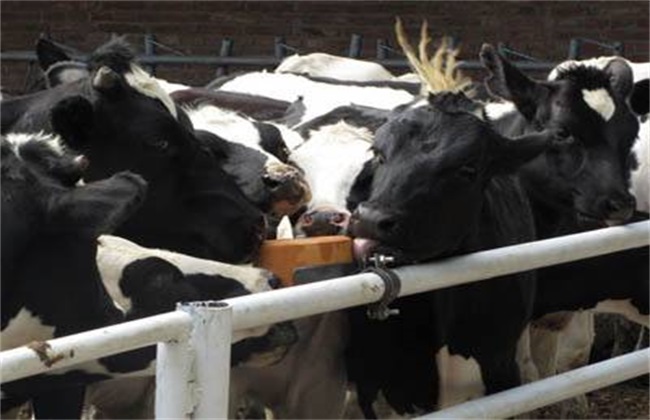
Some farmers add excessive salt to the concentrated feed, thinking that by artificially adding more salt, the dairy cow will produce more milk. However, animals all have a standard for salt intake and cannot consume too much salt, as it easily leads to salt poisoning and increases the burden on the dairy cow's kidneys. Moreover, it does not actually increase milk production, so salt feeding must stay within the 0.7% to 0.8% standard and must not be added haphazardly. There are special salt licks that can be placed for the dairy cow to lick freely.
2. Restricting grass intake
Dairy cattle generally need to eat more green grass and graze more, so in places with pasture, the milk quality of dairy cattle is also better. Concentrated feed only needs to be supplemented in appropriate amounts. Dairy cattle's grass intake must not be restricted. Dairy cattle generally know their own limits when eating grass and will not stuff themselves to the point of bloating, so they can graze more, and if there is no grazing, they should still be fed more grass.
3. Restricting water intake
Some people believe that if dairy cattle drink too much water, they may develop diarrhea, so they feed water at fixed times and in fixed amounts. However, in reality, rumination in dairy cattle requires the secretion of large amounts of saliva, all of which comes from drinking water. So it is best to provide clean water placed where the cattle can see it, allowing free access to water without restriction. Especially when diarrhea occurs, the cattle should be allowed to drink even more water, because they will lose a great deal of moisture.
4. Milking too much
The milk produced by dairy cattle consists of nutritional components, all of which come from the cow itself, so when milking, one should not insist on milking until nothing more can come out. This will cause excessive depletion of nutrients in the cow's body, affecting future milk production and causing delayed postpartum estrus. Therefore, the dairy cow must be given a proper dry period of sufficient length, and one should not be too impatient.
5. Not trimming the hooves
In general dairy cattle farming, the hooves are easily overlooked, and no management or maintenance of the hooves is carried out. However, in reality, infections and lesions, redness and swelling, and lameness can also occur in the hoof area. This will also indirectly affect milk production in dairy cattle, so it is best to regularly trim the hooves and clean them, using a 10% copper sulfate solution to clean the hooves every week. Attention should also be paid to keeping the cattle shed and activity area floor clean.
During dairy cattle farming management, some detailed problems easily arise. These may look like minor issues, but in fact they all have relatively major impacts. So it is best to pay attention to improving these problems and not continue farming in this way.