Profit and Cost Analysis of Ostrich Farming
Nowadays many people are getting into farming. Raising ordinary livestock and poultry generally brings lower returns than specialty farming. So quite a few people have started specialty farming, such as raising ostriches and selling ostrich meat. Ostriches are large and fetch a good price, so they are favored by farmers. Let's take a look at how much it costs to farm ostriches and what the final profit is.
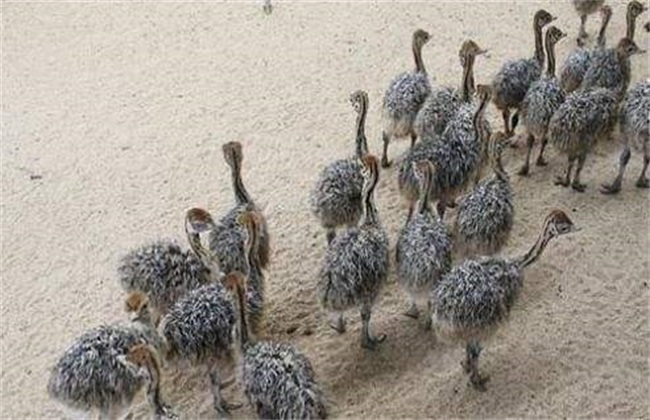
1. Feed Cost
Ostriches mainly eat concentrated feed: corn, wheat bran, and grass meal. A jin of concentrated feed generally costs 1.6 yuan, and one ostrich needs to eat about 315 jin of feed to reach selling weight, so the feed cost for one ostrich is roughly 504 yuan. If you farm 10 ostriches, the feed cost is 5,040 yuan. There is also the cost of forage grass. A year of raising 10 ostriches requires eating 10,000 kg of forage grass, or green corn leaves. Growing one mu of forage grass yourself is enough to feed them; only the seed cost is needed, roughly a few hundred yuan. Buying grass feed costs about 50 yuan per ostrich, 500 yuan in total.
2. Other Costs
Besides feed, other infrastructure and water and electricity fees, site maintenance costs, equipment replacement, and repair fees, these miscellaneous expenses add up to about 30 yuan per ostrich per year; if you raise 10, that is about 300 yuan a year. For disease prevention and disinfection medical costs, prepare about 30 yuan per ostrich, 300 yuan a year for 10. When buying young ostriches, each is about 300 yuan, 3,000 yuan for 10.
3. Growth and Output
Generally, a young bird raised to ten months reaches a weight of 200 jin, and the usual meat yield rate is 45%, meaning one bird produces 90 jin of meat, and ten ostriches produce 900 jin of meat. A jin of ostrich meat is 40 yuan, so the total revenue is about 36,000 yuan. An ostrich lays about 60 eggs a year, and an ostrich egg costs 140 yuan each; ten ostriches lay 600 eggs, but you should keep 10 to 20 eggs to hatch young ostriches. The rest sold brings 81,200 yuan. One hide is between 1,000 and 2,500 yuan; about 10 hides bring in 10,000 to 25,000 yuan.
4. Farming Risks
Although domestication took quite a long time, farming results were not very good before; only in recent years has a mature farming system begun to emerge. The main risks in farming are insufficient farming knowledge and inadequate farming methods. There is also the acceptance of ostrich meat. And there is the sales channel; there must be a reasonable sales channel. Also pay attention to farming techniques such as disease prevention, and do not blindly pursue high returns.
Now the cost of ostrich farming is relatively not high, and the returns look quite considerable, but the farming process is certainly not easy, including possible issues of cost changes and increases. Relatively speaking, the risk borne is also greater.