A Detailed Guide to Rabbit Farming Methods and Technical Key Points
Rabbits have an appealing appearance and are common pets. Because of their good fur, they can also be used in the textile and clothing industries. There are also some meat rabbit breeds, which are commonly eaten in the catering industry. So the market demand for farming rabbits is actually very good, which means farming them is also quite profitable. However, being able to farm rabbits well is not an easy thing; there are certain methods and tricks to it. Now let us learn together about the specific methods of raising rabbits.
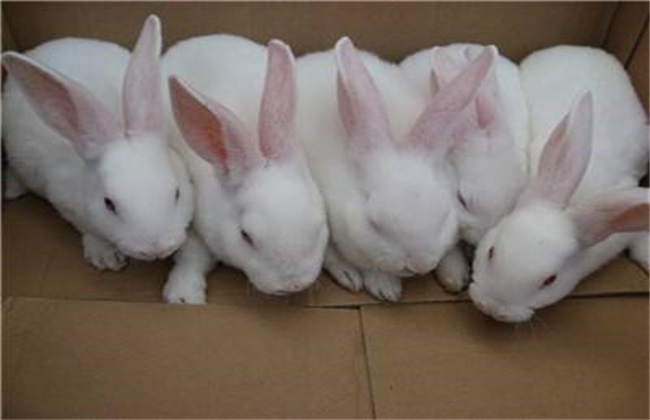
1. Selecting Rabbits
At the start of farming, you need to select the breeding bucks and does. Choosing what kind of rabbits to use has certain benefits for subsequent farming, and there are also particular considerations. Generally, choose rabbits from good breeds that are strong and healthy, free of disease, and able to come into estrus well. It is essential to require that all body organs are fully developed, so they can be used for breeding stock cultivation. The selection requirements for does and bucks are the same.
2. Pairing and Mating
Once the rabbits are selected, the breeding work must be carried out. Before mating, select a pair of identical bucks and does for mating. After mating several times, the chances of conception will increase. You can also mate one doe with several bucks, and the effect is roughly the same. If some rabbits have difficulty coming into estrus, they can be induced, and then accept mating afterward.
3. Farming Environment
Rabbits need to live in a dry environment with good light. So the environment cannot be in a damp place, nor in a dark, shaded environment. The rabbit house needs good air, with no pungent odors or stuffy feeling. It must always maintain good ventilation. Hygiene inside the rabbit house must be maintained; it must be cleaned frequently, disinfected, and kept clean, which will reduce the possibility of disease.
4. Feeding Methods
After about three months of growth, young rabbits enter the stage of young adult rabbits. Their growth rate is the fastest at this time, and their metabolism is also very fast. They need a lot of nutrients, so sufficient nutrition must be provided. Food must not be lacking. Feed more feed with the highest protein content and vitamin content, mainly concentrated feed, paired with green roughage. However, after they have grown for more than 5 months, the feeding amount can be reduced for fear that the rabbits will become too fat.
5. Group Management
Generally, rabbits have a rough group-raising density. Usually, a group of adult rabbits is about 25. This group structure has a moderate number and is relatively stable, which is beneficial for growth and development. It is of great benefit to the placement and breeding of does and bucks. It helps with the rabbits' future breeding work.
Farming rabbits must first begin with selecting breeding rabbits. Only by selecting breeding rabbits is the rabbits' growth determined and reproduction strengthened. In the end, this is how to farm rabbits, and it should reduce quite a few diseases.