Feeding cattle with distillers' grains has many benefits, but the precautions must be kept in mind
Distillers' grains are a by-product of the brewing process. They not only contain a certain proportion of grain, which can save on concentrate feed for cattle, but are also rich in nutrients that crop straw cannot provide. That is why distillers' grains are often used in cattle farming. So what are the benefits of using distillers' grains to raise cattle? What should be paid attention to? Let's take a look together.
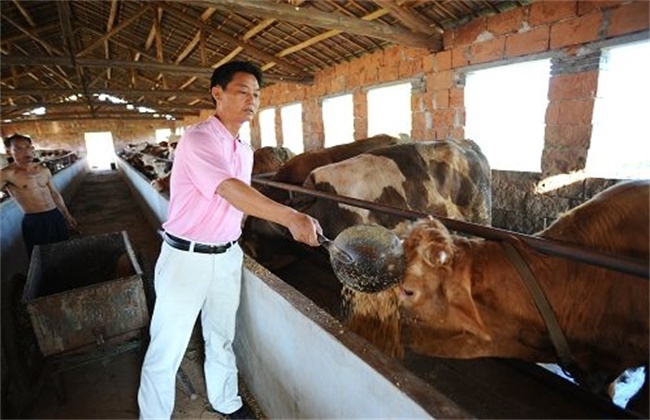
I. Benefits of raising cattle with distillers' grains
1. Distillers' grains are low in price
The price of distillers' grains is relatively low. Fresh distillers' grains picked up directly from the distillery cost only 120-200 yuan per tonne, while dried distillers' grains cost 500-600 yuan per tonne. These are much cheaper than corn straw and soybean straw. Moreover, their nutritional value is also higher than those, and after purchase they require no further processing and can be fed directly.
2. Good palatability
Distillers' grains are the residue left after brewing grain such as wheat, sorghum and corn. During processing, after high-temperature cooking and fermentation, they carry a faint aroma of wine and a sour fragrance, and have a low crude fibre content, so their palatability is good. Cattle quite like eating them, and they can increase the cattle's appetite to a certain extent.
3. High nutritional value
The crude protein content in distillers' grains can reach 15%-25%, and they also contain various trace elements, vitamins and yeast, so their nutritional value is far higher than that of ordinary roughage.
4. Beneficial to cattle growth
Besides their high nutritional value, distillers' grains also contain a small amount of alcohol. After cattle eat them, this stimulates the secretion of saliva and gastric juice, has a stomach-strengthening effect, can significantly improve feed utilisation and rapidly increase the cattle's body weight. It can also improve the meat yield and beef quality, making the beef fibres finer, the colour bright red, the toughness greater and the taste and flavour richer, thereby raising the commercial value of the beef.
II. Precautions for feeding cattle with distillers' grains
1. Do not feed only distillers' grains
Although distillers' grains are rich in nutrients, they are not comprehensive. Long-term feeding alone will lead to unbalanced nutrition and thus poor growth and development, so when feeding, attention must be paid to feed matching, so as to meet the cattle's requirements for various nutrients.
2. Increase the feeding amount gradually from small to large
When first feeding distillers' grains, cattle may refuse to eat or feel unwell, so the amount of distillers' grains should be increased gradually from small to large, allowing the cattle a process of adaptation.
3. Prevent distillers' grains poisoning
Feeding cattle with distillers' grains may cause mould poisoning, acidosis and alcohol poisoning, so farmers must pay attention to prevention.
The above is an introduction to the benefits and precautions of feeding cattle with distillers' grains. We hope it can help you. If you want to learn more related knowledge, please follow us.